165
In this article, we’ll show you how to find your SSID (the name of your Wi-Fi network).
Find Your SSID
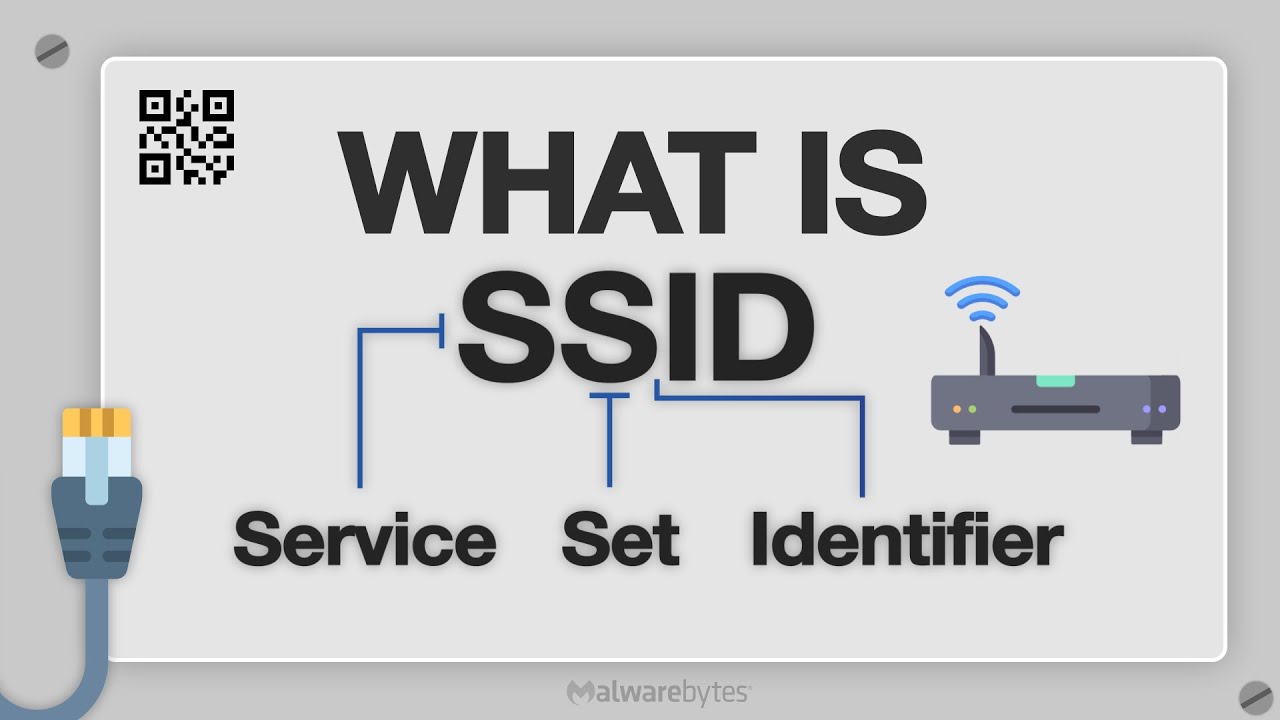
SSID stands for “Service Set Identifier” and refers to the name of your Wi-Fi network. Here’s how to find the SSID:
- Taskbar: If you’re currently connected to the network and the network icon is in the lower-right corner of the taskbar, you can easily find the SSID. Hover your mouse over the icon, and the network name will be displayed.
- Control Panel: Open the Control Panel and select the “Network and Internet” and “Network and Sharing Center” categories in succession. Right-click on the Wi-Fi connection to open a small window. You’ll also see the SSID here.
- Router: The network name is usually listed on the back of the router as well, unless it has been changed. The SSID is often the same as the router model name.
- Router: If you’ve changed the SSID and can’t access it, connect the router to your computer using an Ethernet cable. You can then access the user interface to view or change the SSID.
How to Find an SSID That Is Not Visible
To connect to a Wi-Fi network whose SSID (network name) is not visible, follow these steps:
- Prerequisites: You need the exact name of the network (SSID). You must also know the correct Wi-Fi password. You should also know which encryption method (e.g., WPA2 or WPA3) the network uses. You can usually obtain this information from the network administrator.
- Procedure in Windows 11: Click the Wi-Fi icon in the taskbar. An entry such as “Hidden Network” often appears at the end of the list. Click it. Enter the name (SSID) of the network. Enter the password and confirm the connection.
- Alternatively, you can manually set up a new connection in the “Network and Sharing Center”: Open the “Network and Sharing Center.” Select “Set up a new connection or network.”
- Select “Connect to a network manually.” Enter the SSID, encryption type, and password. Check the box next to “Connect even if the network isn’t broadcasting an SSID.”