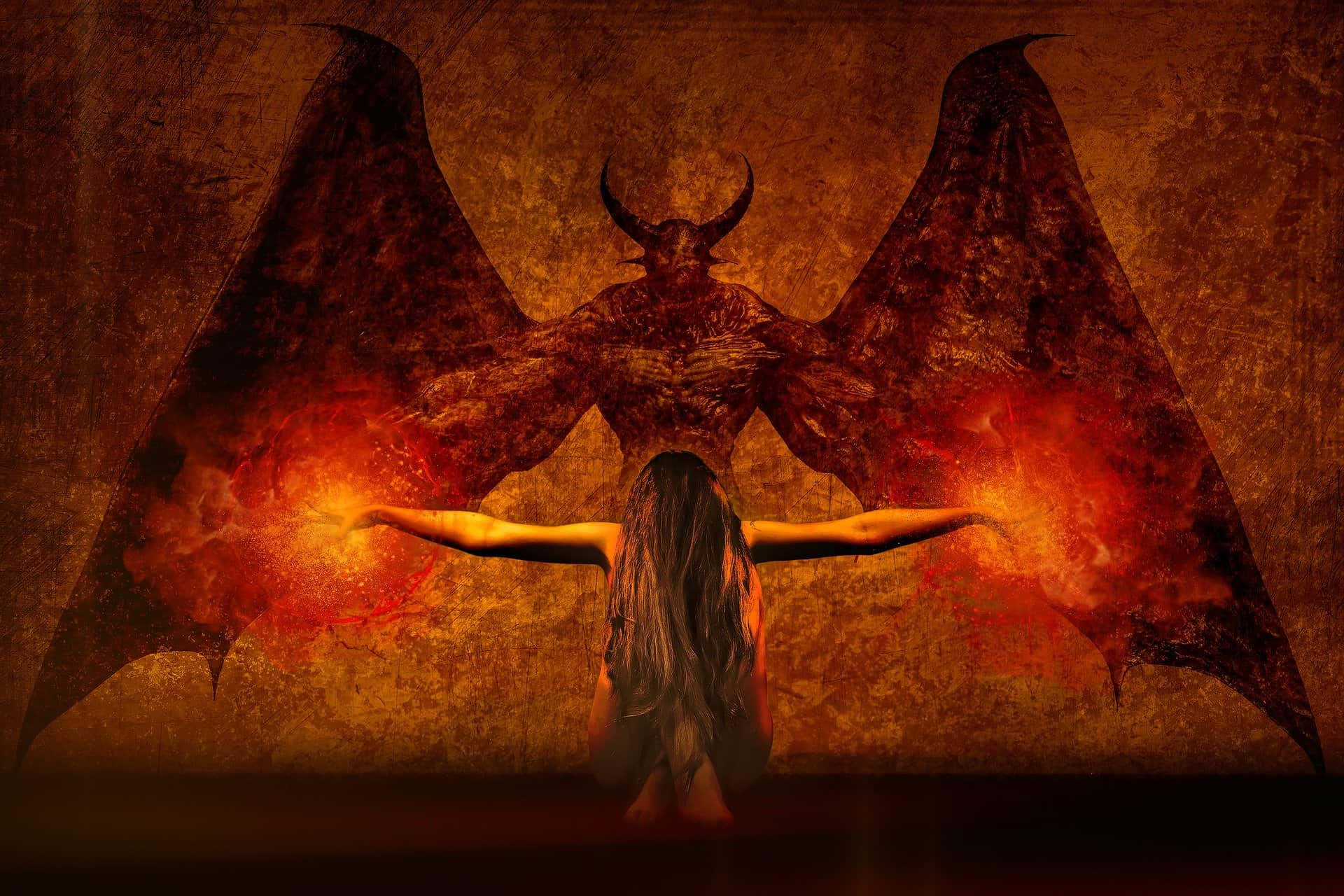
Do demons really exist? Historical origins and myths
Demons are mysterious beings described in many cultures as evil spirits or supernatural creatures. Belief in demons dates back far into history and is often linked to religious and spiritual concepts. But do demons really exist, or are they merely myths and legends?
- Belief in demons has existed for millennia and can be found in various cultures worldwide. In ancient times, demons were often regarded as evil spirits that caused diseases or possessed people. These beliefs were passed down through religious texts and traditions.
- In the Middle Ages, belief in demons reached a peak, particularly in Christian Europe. Demons were frequently viewed as servants of the devil and blamed for all manner of evils. The Church played a decisive role in spreading these ideas.
- In some cultures, such as Hinduism and Buddhism, demons do not have only negative connotations. There, they are also viewed as guardian spirits or forces of nature that can possess both positive and negative qualities.
- Modern pop culture has further shaped the image of demons, particularly through films, books, and TV series that are often based on ancient myths. These portrayals have helped keep the belief in demons alive to this day, even though it has evolved.
Demons Around the World: Cultural Differences and Similarities
Demons take on different forms and meanings in various cultures. These variations demonstrate how diverse and complex the belief in these beings is. What is considered a demon in one culture may be interpreted quite differently in another.
- In Western culture, demons are often portrayed as malevolent beings intent on harming humans. This concept has its roots in Christianity, which views demons as fallen angels who rebelled against God.
- In Asia, particularly in Japan, there is a wide variety of demon types, known as “Yokai”. These beings range from mischievous to dangerous and play an important role in Japanese folklore. They are often associated with natural phenomena.
- In African tradition, demons are sometimes seen as ancestral spirits that can either protect or bring misfortune. These spirits are often part of complex spiritual practices and rituals.
- In Native American spirituality, conceptions of demons vary by tribe and region. Many belief systems view spirits and demons as an integral part of the natural world, capable of having both positive and negative effects.

Are there really demons? Scientific perspectives
Scientists and skeptics argue that belief in demons is based on psychological and social factors. These approaches attempt to find natural explanations for phenomena that are often interpreted as demonic activity.
- Psychologists often explain belief in demons as an expression of fear and insecurity. In times of illness or social upheaval, people turn to supernatural explanations to make sense of inexplicable events.
- Neurological studies suggest that sleep paralysis, a state between waking and sleeping, is often associated with demonic encounters. Those affected report a feeling of oppression and hallucinations that are interpreted as a demonic presence.
- Sociologists emphasize the role of cultural narratives and the media in perpetuating belief in demons. Stories about demons are often told to convey moral lessons or reinforce social norms.
- Parapsychologists investigate paranormal activities and search for scientific evidence of the existence of demons. Although there are many reports of demonic phenomena, there is currently a lack of conclusive evidence that could confirm their existence.
Modern and traditional protective measures against demons
Although no scientific evidence for the existence of demons has been provided, belief in them remains strong in many parts of the world. This belief influences the daily lives of many people and is reflected in rituals and customs.
- Many religions include exorcisms and rituals for driving out demons. These ceremonies are intended to free people from evil spirits and are often performed by priests or shamans.
- Amulets and talismans are used in various cultures as protection against demons. These objects are believed to ward off evil spirits and bring good luck. Their creation and use follow traditional instructions and traditions.
- Prayers and incantations are other methods of protecting oneself from demons. These practices are deeply rooted in religious and spiritual traditions and are often passed down from generation to generation.
- Modern interpretations of beliefs in demons have led to new protective measures, such as the use of digital technology to monitor paranormal activity. These developments demonstrate how ancient beliefs adapt to modern times.