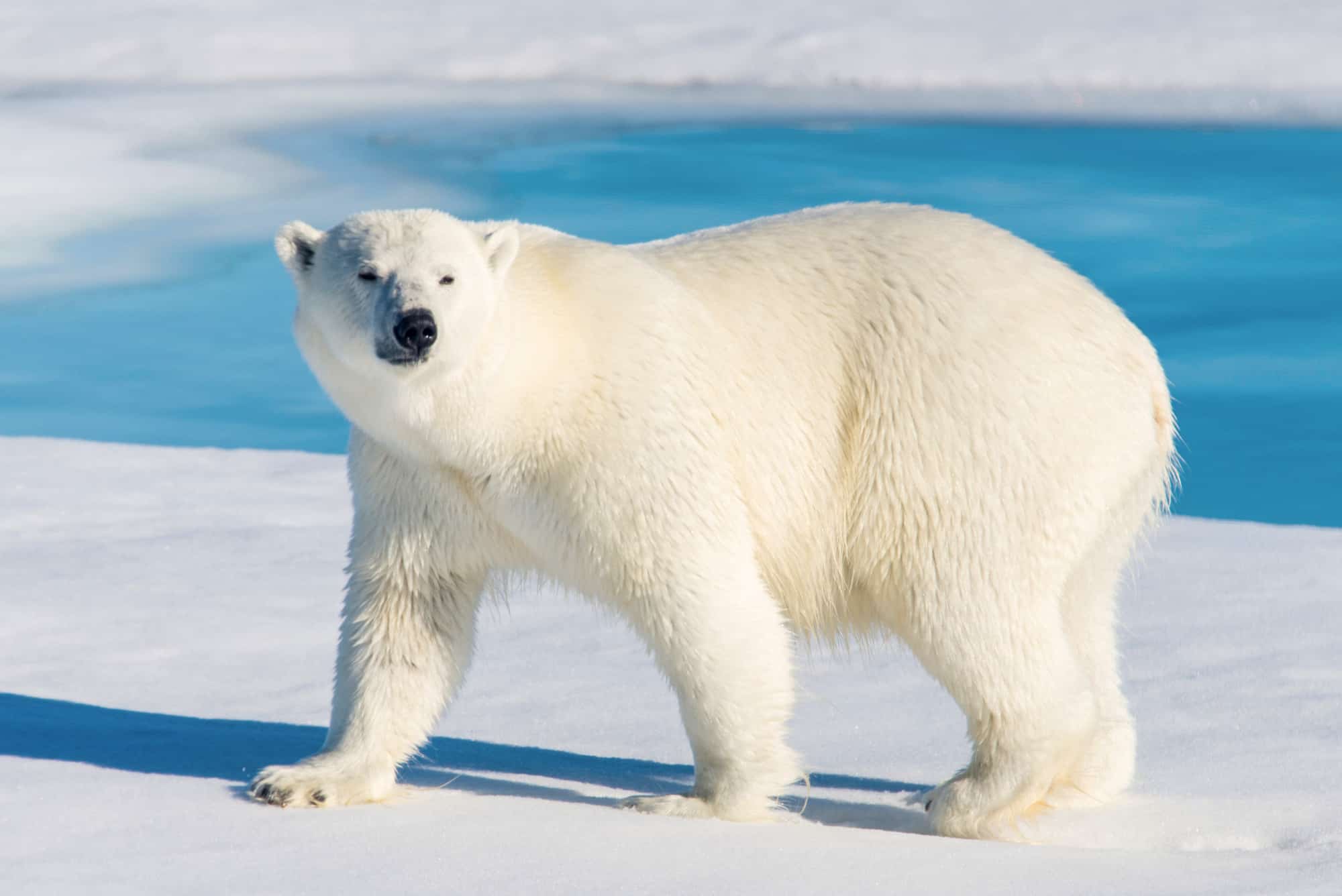
How dangerous are polar bears to humans? In this article, you can find out more about their behavior and how you should behave around them.
The nature of the polar bear: Majestic but dangerous
Polar bears are considered the largest land predators on earth and have an impressive reputation. But how dangerous are they to humans? Here you can find out interesting facts about the behavior of these majestic animals and how you should behave around them.
- Polar bears are naturally curious animals that show no natural shyness towards humans.
- The size and strength of a polar bear can make it a danger in the wild, especially if it feels threatened or is hungry.
- Polar bears are excellent swimmers, which allows them to cover large distances and potentially appear close to human settlements.
- Climate change and dwindling sea ice are forcing polar bears to move closer to human habitation, increasing the likelihood of encounters.
- Polar bears are well camouflaged in the ice and snow due to their white fur and are therefore excellent at sneaking up on prey.
- Polar bears are indeed dangerous. In the wild, polar bears have impressive physical strength and are capable of causing serious harm to humans.
In captivity, their aggressive behavior can be amplified, which can lead to dangerous situations. - You should therefore try to avoid direct contact with wild polar bears. There are cases of people who have not survived such encounters.
Safety measures in polar bear areas
To ensure safety around polar bears, it is important to know and follow certain rules of behavior. Here are some measures that can help avoid dangerous situations.
- Be aware of local guidelines and rules of conduct before entering polar bear areas.
- Avoid storing or leaving food and garbage in the open, as this can attract polar bears.
- Use special protective containers for food and waste to avoid attracting polar bears.
- Always keep your distance from polar bears and avoid standing between a polar bear and its escape route.
- Only go into polar bear areas with trained and experienced guides.
- In an absolute emergency, it can be useful to have firearms with you to fend off a polar bear attack.

How to behave in the event of an encounter with a polar bear
Polar bear attacks on humans are rare, but there are documented cases where people have been injured or killed. Understand the risks and how you should act in the event of an encounter.
- Stay calm and avoid frantic movements that could provoke the polar bear.
- Withdraw slowly and steadily without turning your back on the polar bear.
- Use repellents such as noise devices or pepper spray to keep a polar bear at a distance.
- If a polar bear attacks, defend yourself with all available means and aim for sensitive areas such as the eyes and nose.
Influence of climate change on polar bear behavior
Climate change and human activities have a major impact on the polar bears’ living environment. Here you can find out how these changes affect the animals’ behavior and what this means for the relationship between humans and polar bears.
- Climate change is leading to a decline in sea ice, which is restricting polar bears’ hunting grounds and bringing them closer to human settlements.
- Finding food is becoming more difficult for polar bears, which may make them more aggressive and more willing to take risks with humans.
- Conservation measures and research are crucial to ensure the survival of polar bears and minimize conflicts with humans.
- Everyone can help secure the future of polar bears through environmentally conscious behavior and support for climate protection initiatives.