188
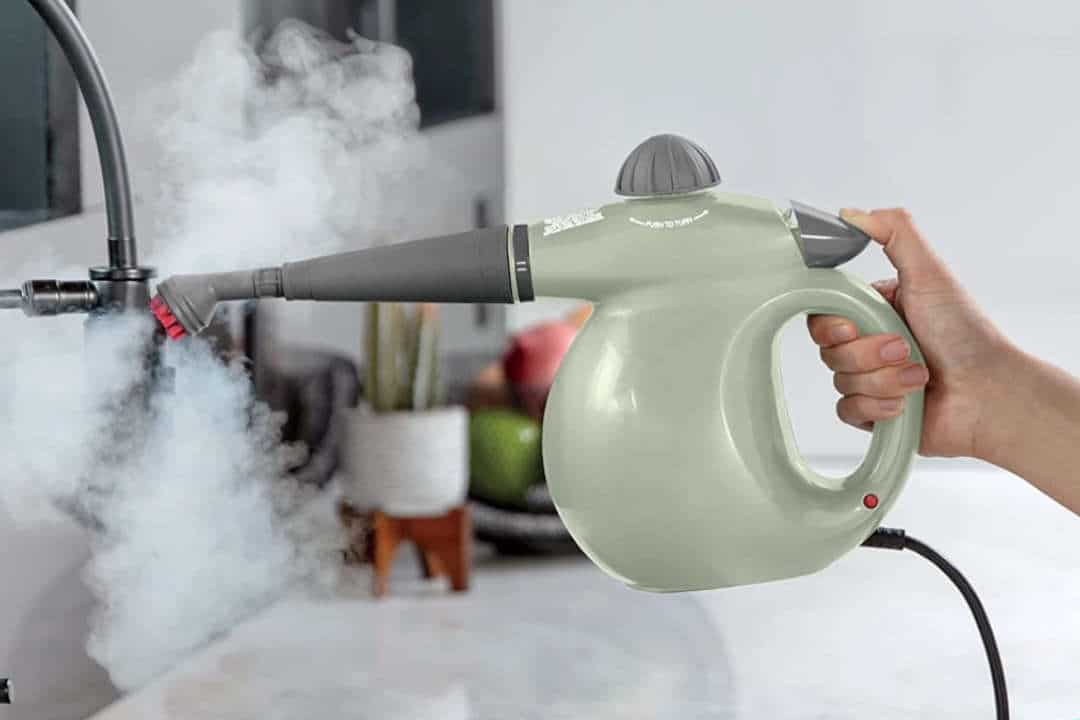
It’s easy to sum up what a steam cleaner is good for: It’s a versatile household helper that effortlessly removes even the toughest grime without the use of chemicals. Use it to clean floors, windows, toilets, and other surfaces.
Why You Need a Steam Cleaner – Benefits of Steam Cleaning
These devices come in various models, so you can find the right one for every cleaning task.
- You don’t need chemical cleaning agents. The hot steam removes even stubborn grime like grease or limescale without any scrubbing. After steaming, simply wipe away the moisture and dirt with a cloth.
- Another advantage is that germs and bacteria are killed. If you use an upholstery brush, the steam also kills dust mites. You can also use a steam cleaner to clean your mattress.
- You save water. One liter of water produces approximately 1,500 liters of steam. Depending on the model, this allows you to clean up to 200 square meters of surface area.
- Good to know: In general, you can clean all surfaces with steam as long as they are heat-resistant. For wood or veneered surfaces, be sure to dry them thoroughly afterward to prevent the material from swelling.
What types of steam cleaners are available? The right steam cleaner for every purpose
Depending on how you plan to use a steam cleaner, you can choose from various models:
- Floor steam cleaners: This appliance looks like a conventional vacuum cleaner. Floor steam cleaners are particularly well-suited for cleaning floors due to their larger water tank. Some manufacturers also supply their appliances with various accessories, such as upholstery and round brushes. These allow you to clean upholstery easily and without chemicals. The package often includes spot-cleaning nozzles that allow you to clean specific areas, such as under the rim of the toilet.
- Steam mops: This appliance is more compact and has a smaller water tank than a floor steam cleaner, making it ideal for cleaning smaller areas. Here, too, there are steam mops with various accessories to make it easier to clean wall tiles or windows, for example.
- Steam vacuum: A steam vacuum combines a vacuum cleaner with a steam cleaner. In a single pass, you can vacuum, steam, and dry. This saves time, especially when cleaning large areas.
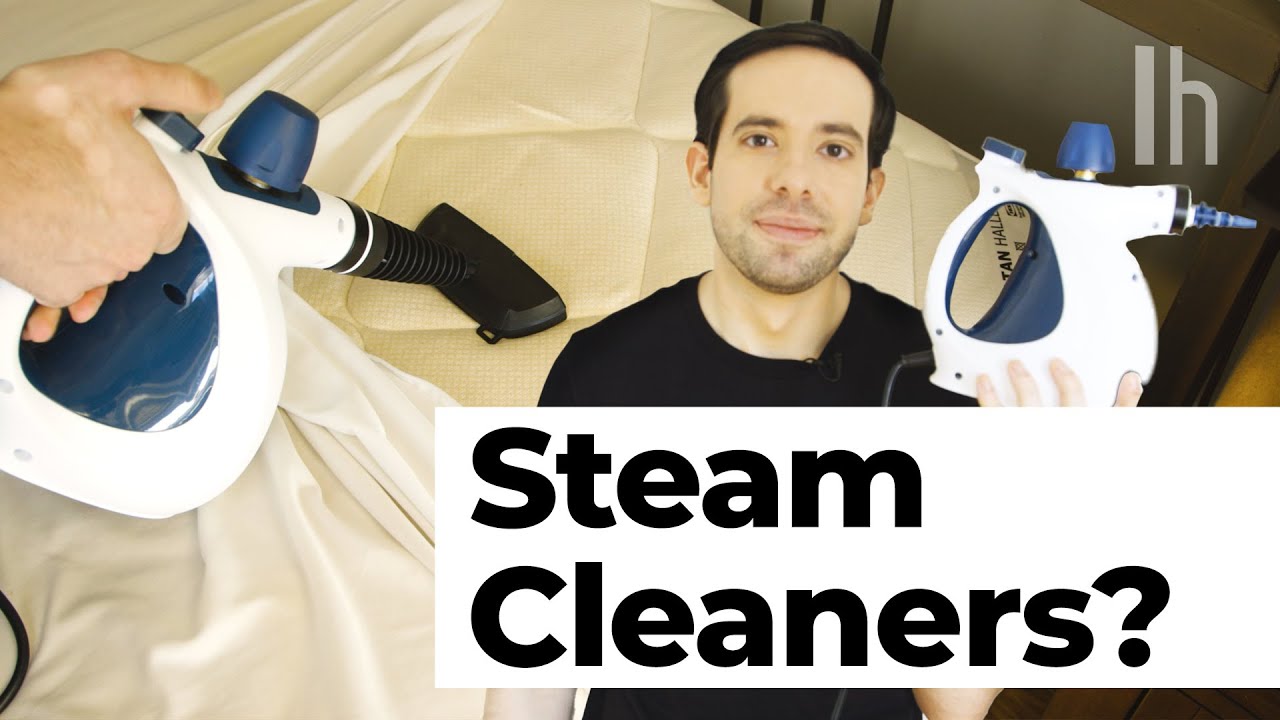
- Handheld steam cleaners: These devices are small and easy to handle. They are particularly well-suited for cleaning glass, mirrors, furniture surfaces, wall tiles, faucets, range hoods, and similar items. With the right accessories, a handheld steam cleaner can also clean hard-to-reach areas.
What Should a Steam Cleaner Be Capable Of? An Overview
For effortless cleaning, the steam cleaner should meet certain criteria.
- The larger the area you need to clean, the larger the device’s water tank should be. Otherwise, you’ll have to refill it frequently.
- The higher the device’s pressure and steam temperature, the easier it is to remove dirt. A device with a pressure of at least 3.5 bar and a steam temperature of 100 degrees Celsius will deliver good results.
- Keep safety in mind and look for technical certification marks (TÜV, GS, or LGA) when making a purchase. Since high pressure builds up inside the boiler, it’s important that your device has been tested by recognized authorities to prevent the tank from exploding due to pressure.
- The device should also be equipped with a safety lock. This ensures that the pressurized water tank cannot be opened. The device must first cool down before the cap can be opened to refill with water. Exception: If your device has a removable tank, this safety lock is not present and is also not necessary.
- Good to know: A steam cleaner is also suitable for laminate and solid wood parquet. However, it’s important that you can adjust the steam pressure and steam volume on your unit to prevent moisture from accumulating under the planks, which could lead to mold growth or cause the material to swell. Always select the lowest setting for cleaning.