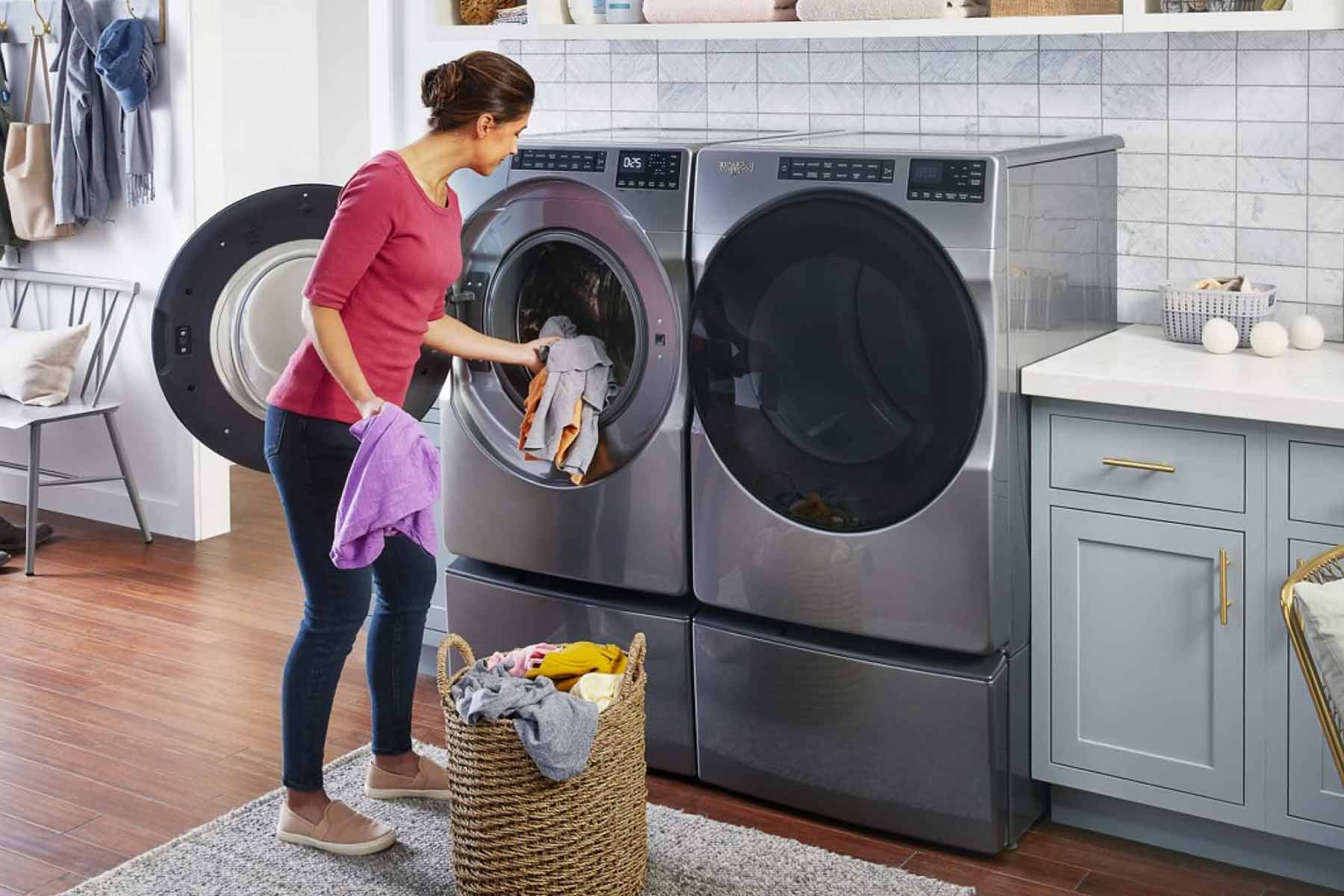
Find out how much laundry a 7 kg washing machine can actually hold and what factors to consider when loading it. Our guide offers valuable tips on how to get the most out of your washing machine.
How Much Laundry a 7 kg Washing Machine Can Hold
A 7 kg washing machine is a popular choice for many households, but there’s often confusion about how much laundry it should actually hold. This question is important not only for using the machine efficiently, but also for ensuring that your clothes come out clean and that the machine lasts a long time.
- The specification of 7 kg refers to the maximum weight of dry laundry in the program specified in the user manual that can be loaded into the drum. It is important not to exceed this limit to avoid compromising the washing machine’s performance and to prevent damage.
- Overloading the washing machine can result in the laundry not being cleaned properly, as the garments do not have enough space to move around during the wash cycle. This can also shorten the washing machine’s lifespan.
- To optimize the machine’s capacity, you should take different types of fabrics into account. For example, heavy fabrics like towels or jeans take up more space than lighter materials like blouses or T-shirts.
- To achieve the best wash results, make sure to load the drum evenly. An uneven distribution of laundry can cause vibrations and disrupt the wash cycle.
Specific information on load capacity
A washing machine with a 7-kg load capacity can hold about 7 kilograms of dry laundry. This is roughly the amount suitable for a household of 3 to 4 people
- Specifically, in a 7-kg washing machine, you can wash the following amounts, for example: 5 small and 5 large towels on the cotton cycle, 10 T-shirts on the easy-care cycle, 4 pairs of jeans or pants, 20 pieces of underwear and 10 pairs of socks, 2 bed sheets and 2 pillowcases, or one double-sized comforter.
- The drum should be filled to about 80 percent of its capacity without packing the laundry too tightly to ensure optimal washing performance. The “7 kg” specification refers to the weight of dry laundry, not wet laundry.
- In everyday use, it is generally recommended to load the drum to only about 60 percent of its maximum capacity—which for a 7-kg machine corresponds to about 4 to 5 kg of laundry per wash cycle—to optimize energy and water consumption and prolong the life of the washing machine.
- A 7-kg washing machine can therefore hold approximately 7 kg of dry laundry, which is sufficient for a medium-sized household and, depending on the type of laundry, includes about 10 T-shirts or a double-sized duvet. If you stick to these guidelines, you won’t overload the drum.
- If the maximum laundry capacity isn’t enough for you, look for a washing machine with a larger drum and a higher load capacity.

Care Instructions for Your 7 kg Washing Machine
Proper care of your washing machine is essential to ensuring it operates efficiently for a long time and treats your clothes gently. Regular maintenance is therefore essential to identify and resolve potential problems early on.
- Clean your washing machine’s lint filter regularly to prevent clogs that can obstruct water flow. This improves cleaning performance and protects the pump from damage.
- Use a special machine cleaner from time to time to prevent limescale buildup and odors. This is especially important in areas with hard water.
- Make sure the door seal remains free of dirt and residual moisture by wiping it down after each wash cycle. This prevents mold growth and unpleasant odors.
- Leave the washing machine door open after use to allow the drum to ventilate properly. This helps moisture escape and reduces the risk of mold and bacterial growth.
Tips for Using Your 7 kg Washing Machine Efficiently
There are many factors that influence how efficiently your washing machine operates. In addition to loading the machine correctly, selecting the right wash cycle and maintaining the machine itself also play a crucial role.
- Select the appropriate wash cycle for your fabrics. Each cycle is designed for specific fabric types and levels of soiling, which improves both cleanliness and energy efficiency.
- Avoid running the washing machine empty unnecessarily. Plan your wash cycles so that the machine is fully loaded without being overloaded.
- Use the eco-options offered by many modern washing machines. These programs save energy and water by washing at lower temperatures.
- Follow the care instructions on your garments to prevent damage and extend the life of your clothes. This also contributes to the sustainability of your laundry habits.