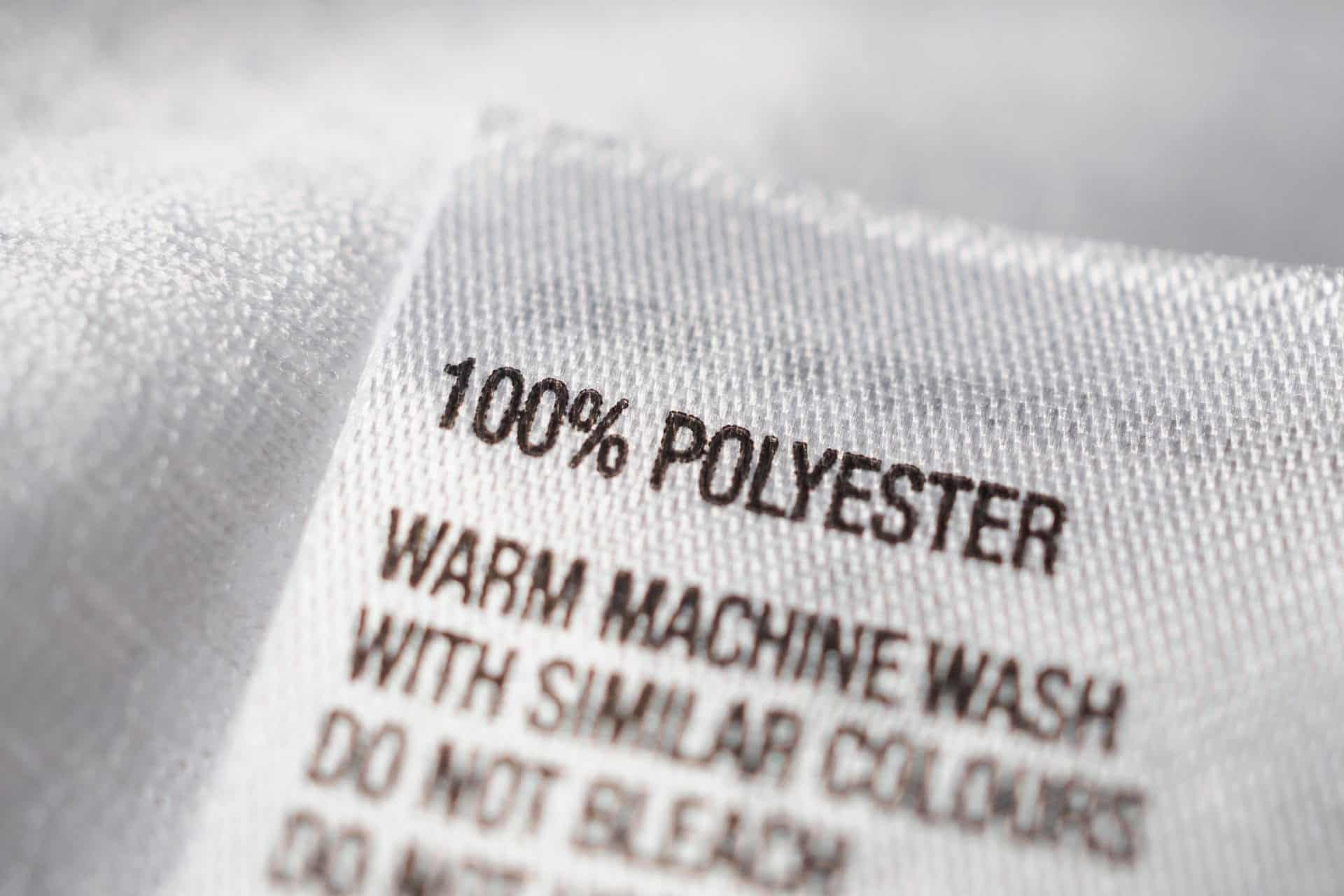
There are a number of arguments suggesting that polyester can be harmful. There are shortcomings, particularly when it comes to sustainability.
Why polyester is harmful to the environment
Polyester is a widely used synthetic fiber found in many textiles, clothing, carpets, upholstered furniture, and other products. In short: It’s hard to imagine life without polyester. While polyester has some advantages, such as durability, wrinkle resistance, and colorfastness, there are also a number of issues that are rather critical.
- The production of polyester is extremely harmful to our environment. This is because it requires the use of petroleum and other petrochemical raw materials. The manufacturing process is energy-intensive and involves chemicals, which can contribute to air, water, and soil pollution.
- The production process also requires a large amount of water. This can lead to significant strain on water resources , especially in regions where water is scarce.
- Polyester is classified as a non-biodegradable material. The synthetic fiber decomposes only very slowly and can therefore become a serious environmental problem when used in clothing or other products. Fast fashion, in particular, generates a large volume of clothing.
- A negative aspect regarding the sustainability of polyester is the recycling problem. Although polyester is theoretically considered recyclable, there are challenges involved. It is often a blended fabric, which complicates the process.
- Polyester is often referred to as cheap plastic . Particles of it become what is known as microplastics, which are considered one of the greatest threats to the environment.

Is polyester also harmful to the skin?
In addition to polyester’s obvious shortcomings in terms of environmental friendliness, the question also arises as to whether the material is harmful to us as humans. This is especially true when we wear it as clothing directly against our skin, which raises concerns.
- Polyester itself is generally not harmful to the skin. However, it’s important to note that some people may be sensitive to the material.
- Some polyester fabrics can generate static electricity, which can lead to unpleasant sensations on the skin, such as the feeling of small electric shocks.
- Polyester is known to absorb moisture less effectively than natural fibers such as cotton. This can cause sweat to accumulate on the skin and lead to moisture-related issues such as rashes. This is particularly true during intense physical activity.
- For these reasons, cotton clothing is often preferred. Although the fabric is more breathable and may feel better against the skin, it also has its drawbacks. This is because cotton production is also characterized by high water consumption and poor working conditions in developing countries.