226
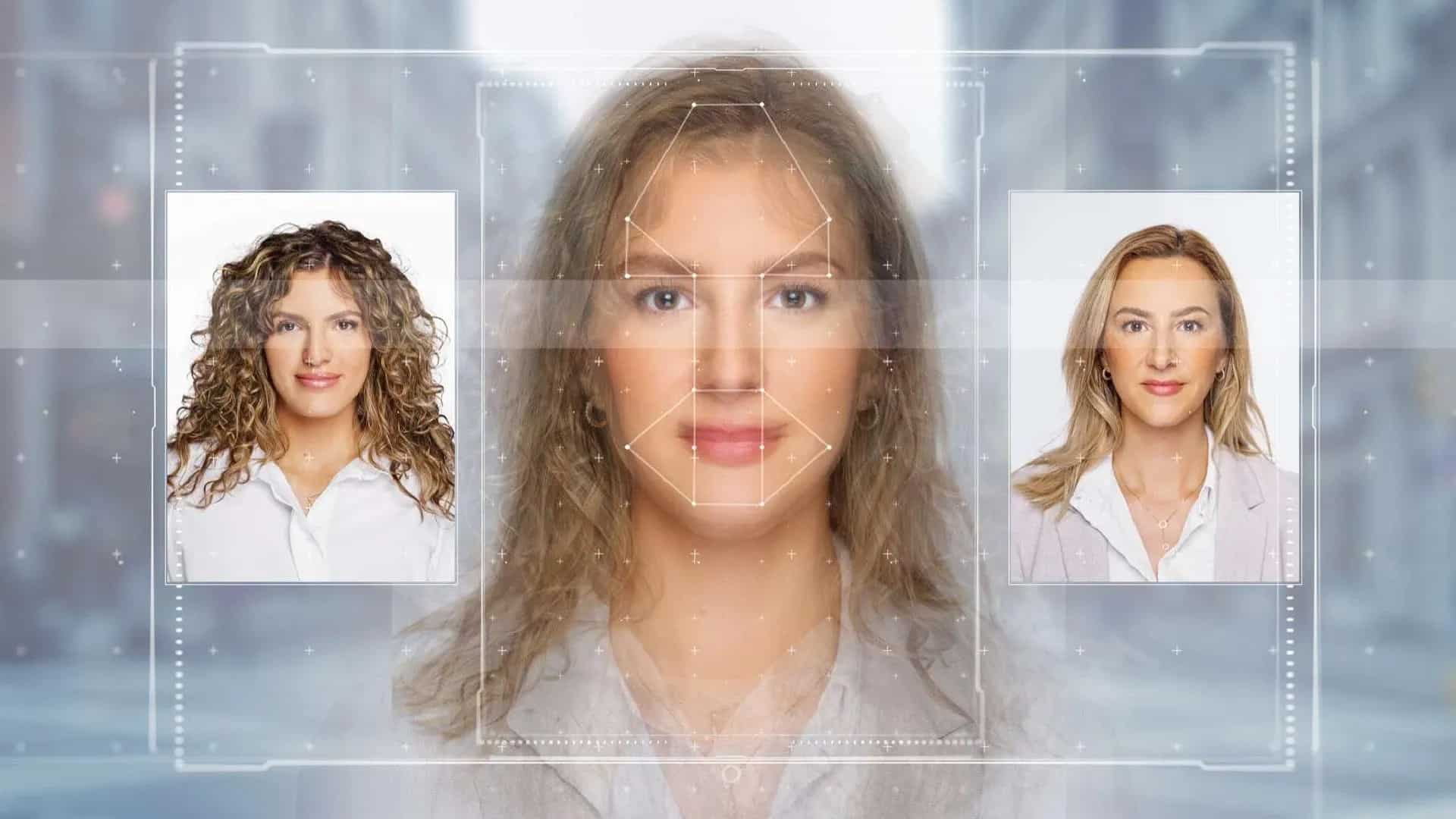
Deepfakes are computer-generated videos or images that you can create to manipulate human faces or voices so that they appear deceptively real. From a legal standpoint, such creations are highly controversial.
Creating Deepfakes: Exactly What You Can Create with Software
Deepfakes can be especially funny among friends and have meme potential. Today, they look astonishingly real: faces in videos say things the real person never said, and people appear in scenes they were never in. What used to be possible only in Hollywood can now be achieved with freely available software. But despite its fascination, the technology is not only powerful—it’s also highly sensitive from both legal and ethical perspectives.
- A deepfake is, in fact, image, audio, or video material manipulated by AI in which one person is replaced by another or simulated to look deceptively real. Particularly well-known are deepfakes in which the face or voice of a real person is used in a video to make them appear to say or do things.
- The technology behind this is based on neural networks, particularly so-called Generative Adversarial Networks (GANs). With these tools, even technically savvy laypeople can create deepfakes. Examples include DeepFaceLab, FaceSwap, and the Zao app.
- DeepFaceLab is arguably the best-known open-source tool for deepfakes. It offers great flexibility but also has a complex user interface and is ideal for experienced users with a technical background. FaceSwap , another open-source project, offers a slightly more beginner-friendly interface.
- The Chinese app Zao replaces faces in movie scenes in seconds. It’s very easy to use, though it has a questionable privacy policy.
- Reface, DeepSwap, and Deepswap.ai are commercial, cloud-based services with clear user guidance. They enable face swaps in just a few minutes—for a fee or via subscription. You should carefully review their privacy policies and terms of use.
- To create a deepfake, collect photos or videos of the person you want to feature in your deepfake. The more footage you have, the better the result will be.
- Use the selected software to isolate and analyze the person’s faces in the footage. Select a target video or image into which you want to insert the person’s face.
- Using the software, you can insert the person’s face into the target video or image and adjust it.

Risks & Legal Regulations Regarding Deepfakes
- For example, there is also the risk that deepfakes could be used to portray someone in a sexually explicit or embarrassing situation, which could be considered a violation of privacy.
- In Germany, the right to one’s own image is protected under Sections 22 and 23 of the ArtUrhG, as well as the general right of personality under Articles 1 and 2 of the Basic Law. The distribution of deepfakes without the consent of the person concerned may be considered a violation of personality rights, defamation, or even identity theft.
- In particular, it is prohibited to engage in erotic or political manipulation without consent—this may result in civil and criminal consequences.
- It is permitted to create deepfakes for artistic, satirical, or parodic purposes, or for journalistic purposes. However, in some countries, such as Austria, laws are being considered to regulate and prohibit the creation and distribution of deepfakes. This, however, may also have implications for freedom of expression and creative freedom.
- It is important to act ethically and responsibly when creating and distributing deepfakes and to ensure that they are not used to harm or negatively affect others. Always obtain the explicit consent of the individuals involved before using their face or voice in a deepfake.
- You should also ensure that the source of a deepfake is clearly labeled to alert viewers that it is a manipulated representation.
- Even if you use deepfakes privately or for entertainment purposes: A clear label is ethically required. The audience should be able to recognize that it is an artificially generated medium. This protects not only the person depicted but also your own credibility—for example, in social media posts.
- There are now plenty of tools available to detect deepfakes. Tools such as Microsoft Video Authenticator, Deepware Scanner, Intel’s FakeCatcher, or AI-based filters on social media analyze pixel changes, light reflections, blinking patterns, and other signs of digital manipulation. These tools help identify fakes and promote media literacy in the digital age.