351
If you have one or more magpies in your garden, you don’t need to worry about valuable items disappearing. Food scraps and worms are much more important to these birds. Songbirds, however, are in danger.
Magpies in the garden: No need to worry about theft
Magpies are very intelligent and curious birds. However, if you have a magpie’s nest in your garden, you don’t need to worry about theft.
The unjustified reputation of the magpie as a thief dates back to the Middle Ages, when magpies were considered witchcraft animals and gallows birds. Driving magpies away can make sense if you want to protect songbirds.
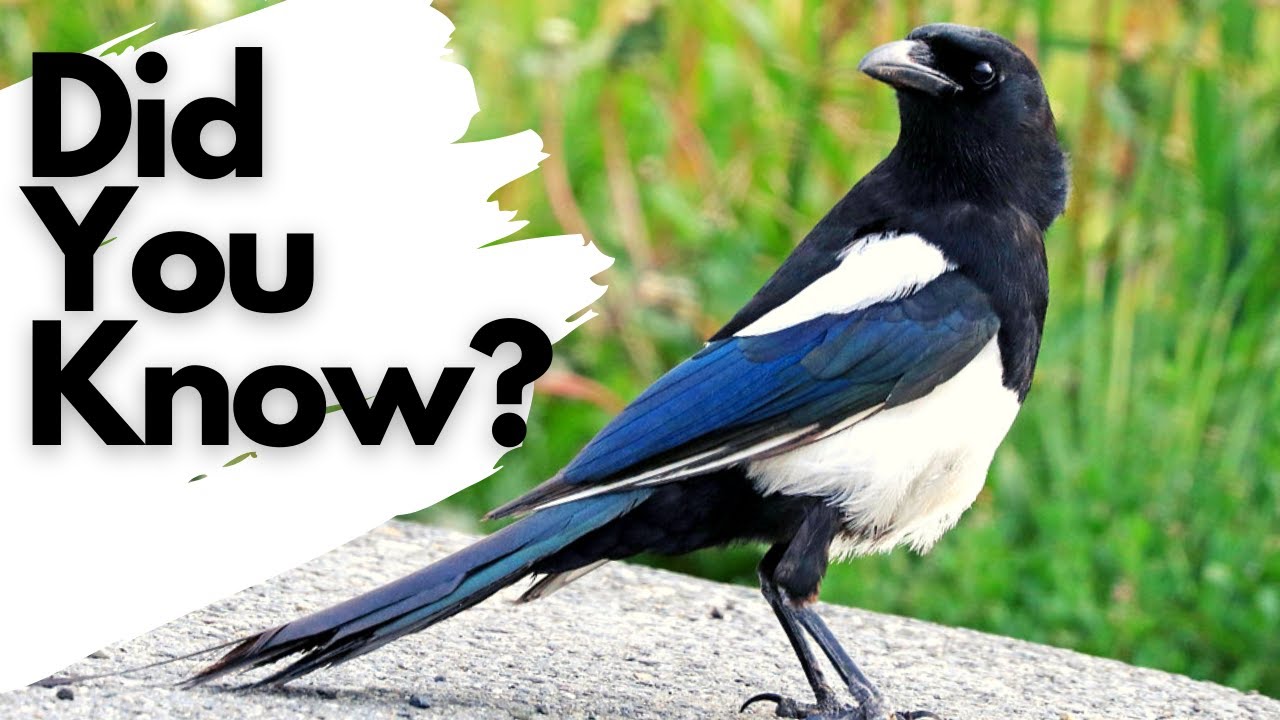
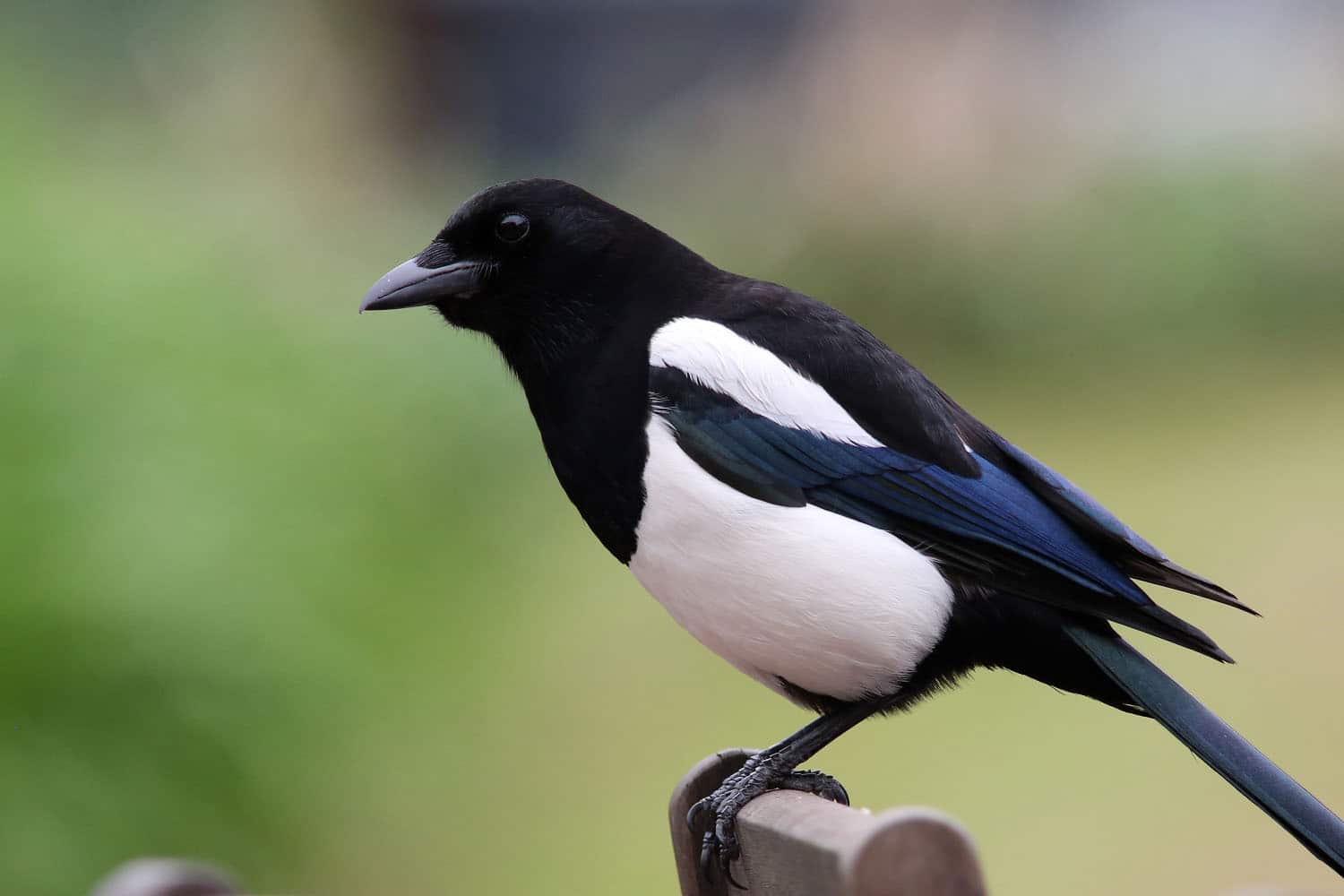
- Magpies can be recognized by their characteristic black and white plumage. The black feathers have a metallic sheen. Their long tail is also particularly striking, often as long as the bird’s entire body.
- These birds eat all kinds of things. If your garden has insects, worms, spiders, small mammals, fruit, and food scraps, that is more than enough food for magpies. Especially when they have young, the bird family needs more food.
- Magpies are monogamous. This means that magpie pairs stay together for life. The birds stay in one place all year round. They do not migrate south in winter. During the cold season, you can often see the birds in groups.
- Ravens are quiet. They can also imitate human voices. The alarm calls that magpies use to warn their fellow magpies of danger are particularly loud.
- The birds love open and clear landscapes. These include bushes, groups of trees, cemeteries, gardens, and forest edges.
- Magpies often hoard their food in meadows, and in the winter months, the birds store their food supply in holes. When they are hungry, the birds retrieve it from the holes. Magpies also do not shy away from stealing food from other birds. They can even chase them away by looking for other birds’ eggs and eating them just like other young birds.
- This is why smaller songbirds are often driven away by magpies. However, this tends to happen sporadically through nest predation rather than systematically. If you want to prevent this so that you can continue to hear melodious birdsong, you can install noise-making bird decoys in your garden or on your balcony. Magpies avoid larger birds of prey such as crows or hawks. Combine the decoys with bird protection nets over the beds to protect seedlings and hang nesting boxes with small entrance holes to prevent magpies from accessing them.