383
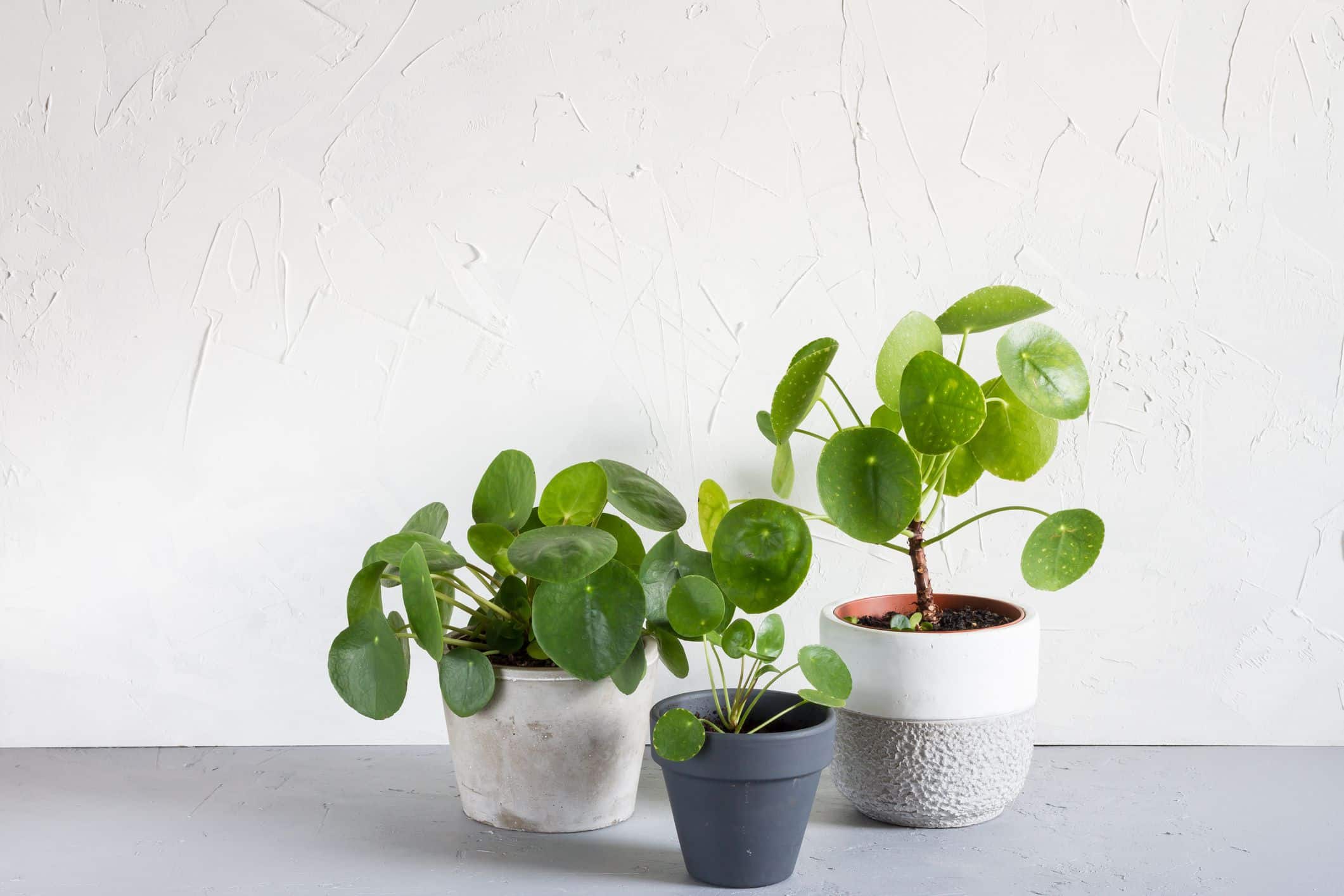
The pancake plant, also known as the UFO plant, is considered an ideal houseplant for beginners. With a few simple care tips, it will stay healthy for a long time and develop strong, round leaves.
Pancake Plant: How to Care for It Properly
- Location: The Pilea should be placed in a bright to partially shaded spot; it tolerates neither direct sun nor a spot that is too dark. It turns its leaves strongly toward the light and should therefore be rotated regularly so that it grows evenly.
- Temperature: Temperatures between 15 and 20 degrees are ideal for this houseplant. If it is too warm for the Pilea, you can tell by its leaves shrinking.
- Watering:Depending on how bright its location is, you should water the Pilea about once a week. You can tell the plant is thirsty when its leaves droop. Even if you can squeeze the leaves together, it’s time to water the plant again. The leaves must not get wet, and the plant does not tolerate waterlogged soil.
- Soil: The Pilea has no special requirements for its soil. Standard houseplant soil is best.
- Fertilizer: Here, too, the plant has no high demands. Between March and September, it is sufficient to feed it once a month with houseplant fertilizer.
- Repotting: You should repot the plant when its roots start to emerge from the bottom of the planter. As a rule, annual repotting is necessary as long as the plant is still young. Repot older plants every three or four years. When repotting, use a pot that is no more than two sizes larger than the old one and handle the delicate roots with care.

More care tips for the Pilea
The Pilea is very easy to propagate. Its cuttings make the perfect sustainable gift for friends and family.
- Propagation: The plant forms new, small cuttings around itself. Before cutting them off, they should have about five leaves. If you place the cuttings directly into fresh soil, they will root within a few weeks.
- Alternatively, place the cutting in a glass of water to root.
In a bright, warm spot, it will root after just a few weeks and can then be planted in potting soil. Plant it in the smallest pot possible, which the roots can quickly fill, so the plant can channel its energy into new, large leaves. - Diseases and Pests: The pancake plant is extremely resistant to diseases. Fungus gnats and root rot can occur if you’ve overwatered it.
- It’s completely normal for the lower, older leaves of the plant to turn yellow and fall off. As long as the plant is producing new leaves at the top, there is no need to worry. If all the leaves are yellow, this indicates insufficient light. Black leaves, on the other hand, indicate root rot.