122
It happens more often as a child and a little less often as an adult: you’ve bitten your tongue. Here, we’ll explain what you can do to prevent a small wound from turning into an emergency and how to help a bitten tongue heal quickly.
Bitten Your Tongue: The Right First Steps
A moment of inattention and it’s happened: You’ve bitten your tongue. Now you need to act quickly so the pain is soon a thing of the past.
- Chewing food or gum, talking, or having your tongue get caught between your teeth in any other way can lead to a painful bite on the tongue.
- It’s important to stop any bleeding quickly. The best way to do this is with pressure and cold. If the tip of the tongue is affected, you can simply press it against the roof of your mouth for a few seconds.
- For more serious injuries, first wash your hands to prevent infection. Then you can press some gauze against the wound or apply cold pressure directly with an ice cube. This causes the blood to clot and thus helps stop the bleeding quickly and effectively.

How to Properly Treat a Bite on the Tongue
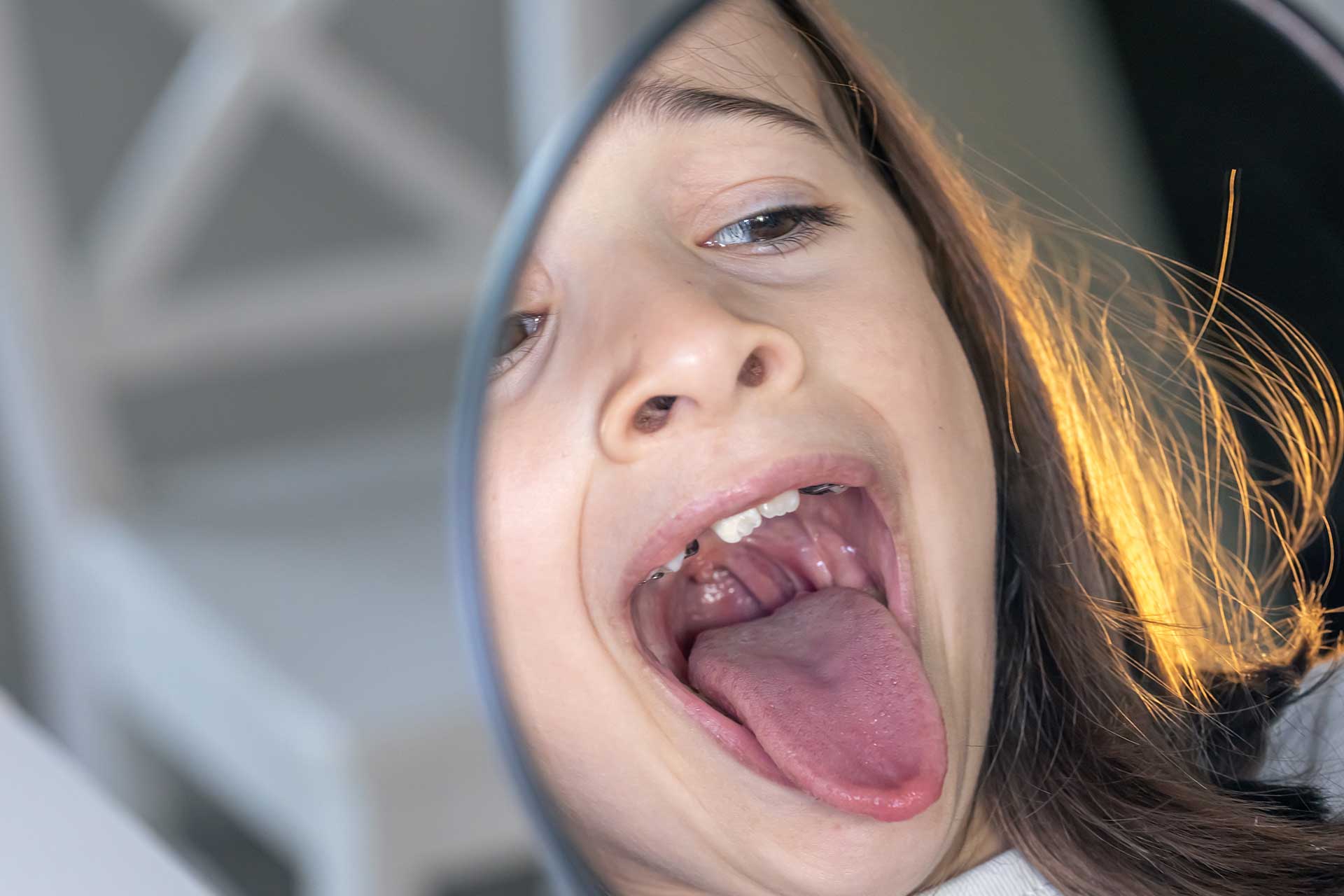
Now examine the wound using a small mirror. This will help you determine whether self-treatment is sufficient or if you should go to the dentist or a hospital as a medical emergency. Large lacerations that bleed heavily and persistently should be sutured.
- To prevent your tongue from swelling, you can continue to suck on ice cubes, ice, or frozen fruit bars after the bleeding has stopped.
- For severe pain, pain relievers such as ibuprofen or acetaminophen can help.
- If the pain or swelling persists for several days, you should consult a doctor to be on the safe side. The same applies if the wound has an unpleasant taste or odor.
- In the days following a tongue bite, you should avoid nicotine, alcohol, and highly irritating foods. This includes very hot, spicy, or acidic foods.
- You should also pay special attention to thorough oral hygiene.