344
There’s no one-size-fits-all answer to how fast LTE is. We’ve summarized everything you need to know in this practical guide.
Factors Affecting Speed and LTE Categories
Various factors influence the actual LTE speed you can achieve:
- Network coverage and network expansion: The denser the network and the shorter the distance to the cell tower, the better the conditions. You can also check these online with most providers.
- Frequency range and number of aggregated carriers (Carrier Aggregation): The more frequencies are combined (e.g., 2CA, 3CA…), the higher the potential.
- Base station load: Many users at the same time → shared resources → lower speed.
- Device used and its LTE category: An older or budget device may only support Cat 4 instead of Cat 12 or higher—thus limiting performance.
- Plan restrictions: Some plans limit the maximum speed (e.g., 21.6 Mbit/s with budget providers).
- Structural obstacles or environment: Thick walls, basement locations, and distance from the outdoor antenna or cell tower can obstruct the signal.
- Signal quality (e.g., due to weather, terrain, signal blockages): Reflections, buildings, vegetation, etc., also play a role here.
- The terminal modem is also crucial: There are various LTE “category” designations, e.g., Cat 4, Cat 6, Cat 12, etc., which define the maximum data rate supported by the device. Examples:
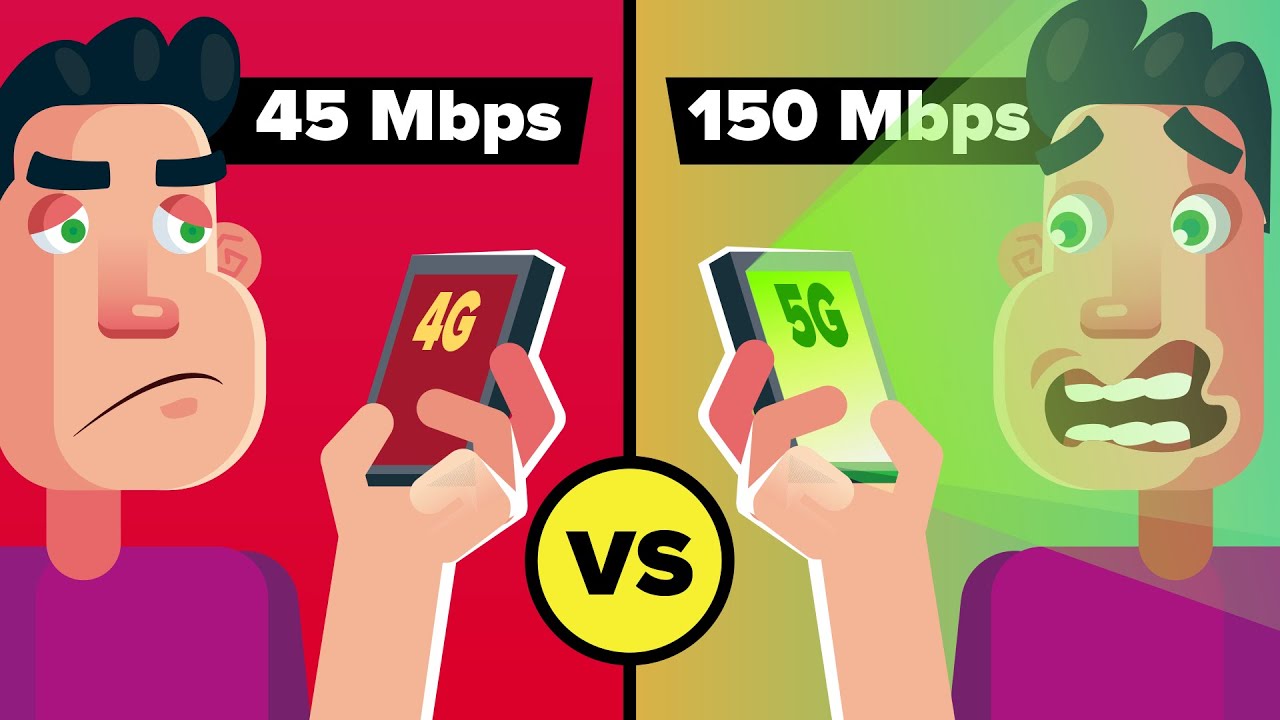
- Cat 4: up to about 150 Mbit/s downlink, ~50 Mbit/s uplink.
- Cat 6: up to about 300 Mbit/s downlink.
- Cat 12: up to about 600 Mbit/s downlink, provided the network and plan support it.& nbsp;This means: Even if your provider specifies, for example, “up to 300 Mbit/s,” but your device only supports Cat 4, the maximum speed will be ~150 Mbit/s.
LTE Speed: Basics and Theoretical Maximum Values vs. Real Average Values
The abbreviation “LTE” stands for “Long Term Evolution”. It is a mobile communications standard that is generally classified as the fourth generation of mobile communications and is therefore often referred to as 4G.
- However, not all LTE is the same: The maximum possible bandwidth of the standard can vary significantly depending on the provider, plan, device, and network coverage.
- The bandwidth you can use depends on your tariff and its speed specifications, on network coverage and the frequency range in your region, and also on the smartphone or device you are using.
- When streaming music you often notice hardly any difference between different bandwidths in practice. When streaming video on the other hand, differences are particularly noticeable in the lower speed range: Downloading a 20 MB video at an LTE speed of about 21.6 Mbit/s takes roughly seven seconds—at 50 Mbit/s, it takes only about three seconds. If the speed is higher than that, it often makes little difference in everyday use just how fast LTE is in detail.
- Theoretical maximum values: Ideally—that is, with optimal network, device, and plan configurations—LTE can achieve significantly higher speeds than typical everyday values. Some providers, for example, specify up to 300 Mbit/s for downloads. In specific deployment scenarios (carrier aggregation, 4×4 MIMO, etc.), speeds of up to 400–500 Mbit/s or more may even be theoretically possible. Device categories such as Cat 12 (up to about 600 Mbit/s) or higher also exist.
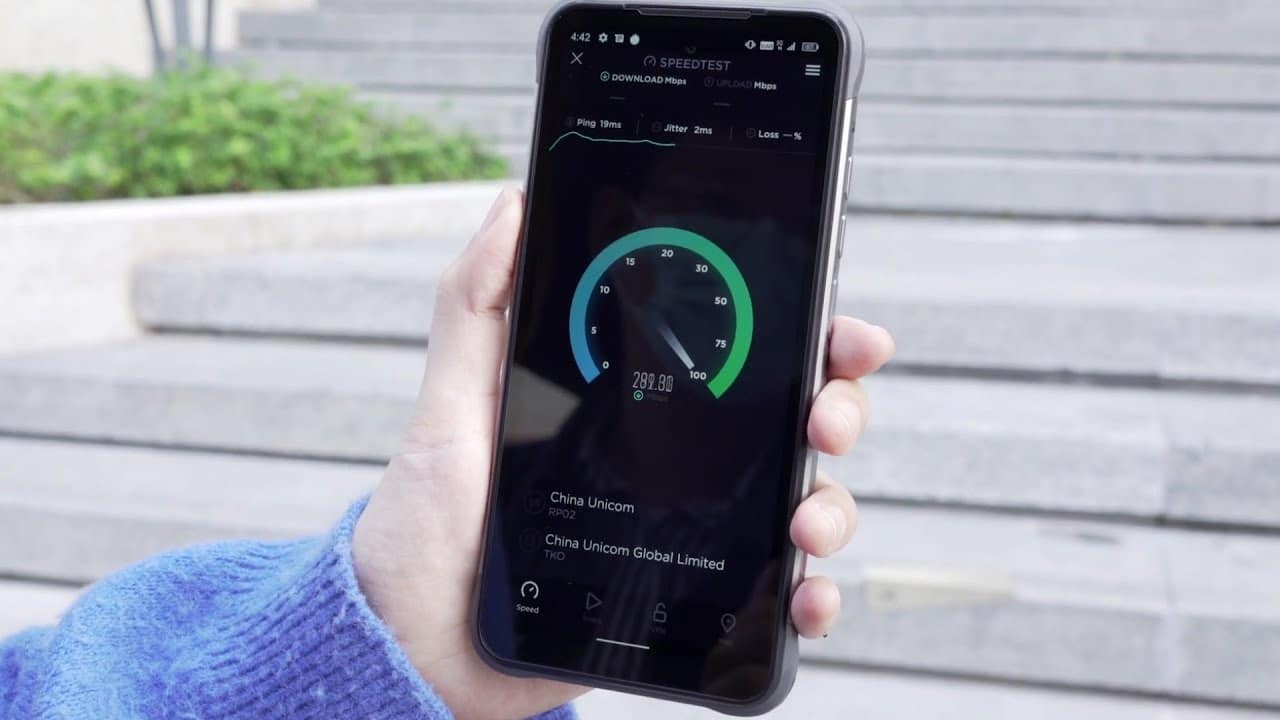
- Actual average speeds in Germany: In practice, however, achievable speeds are significantly lower. For example, the OpenSignal report found an average of approximately 51.8 Mbit/s for downloads on the German mobile network with Deutsche Telekom AG, approximately 47.3 Mbit/s with Vodafone GmbH & Co. KG, and about 36.5 Mbit/s on the Telefónica Deutschland GmbH network (O₂ network). Provider specifications from spring 2025, for example, include: on the Telekom network, “LTE Max” up to 300 Mbit/s; average download speed of 85.5 Mbit/s and upload speed of 35.4 Mbit/s, according to a summary.
- In real-world use, many users typically experience speeds in the range between 20–100 Mbit/s, depending on the region and network.