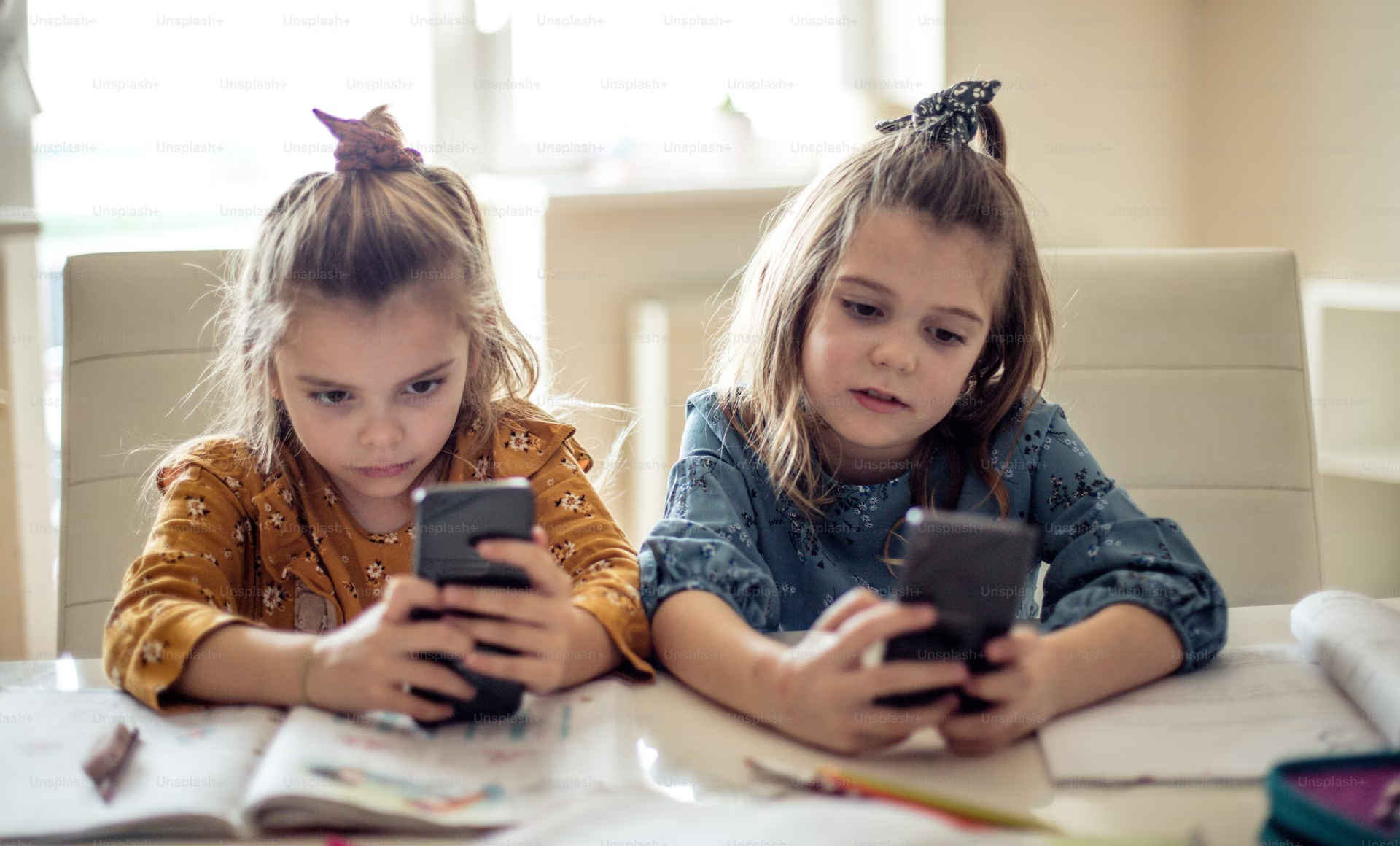
France wants to ban social media for children under 15—but does a ban really help protect mental health?
France is taking a bold step: Children and teenagers under 15 will no longer be allowed to use social media in the future. The National Assembly has approved a corresponding bill, and President Emmanuel Macron is pushing for rapid implementation as early as the coming school year.
The goal: to protect the mental health of young people. This debate is also growing louder in Germany. But the crucial question is: Can a social media ban actually help—or is it just a symbolic gesture?
When an age limit for social media can protect children and adolescents
An age limit can certainly send a strong signal. We are familiar with such protective measures from other areas: alcohol, gambling, and tobacco are not permitted until a certain age for good reason. Not because young people would never consume them otherwise—but because society is thereby clearly stating: This product can be harmful.
The situation is similar with social media. Especially during early puberty, the brain is particularly sensitive to social comparisons, reward stimuli, and emotional overload. However, TikTok, Instagram, and similar platforms are optimized precisely for this: maximum attention, maximum engagement, minimal breaks. An age restriction can be useful if it is truly understood as part of a protective strategy—not as a simple solution.
These social media influences harm mental health
The French government justifies the law primarily on the grounds of protecting mental health. And indeed, in practice, we see several key factors:
1. Constant sensory overload
Anyone who spends several hours a day scrolling through short videos lives in a world of constant overstimulation. The problem is: The brain does not distinguish between stimuli from the real and virtual worlds.
Emotions, stress, dopamine responses—it all puts us under strain. The result: Real life often seems “boring” or less fulfilling. In the past, free time was filled with sports, friends, and physical activity. Today, a device replaces that experience—with minimal effort but maximum stimulation.
2. Loss of genuine relationship experiences
Children need connection: eye contact, real conversations, shared boredom. When these spaces disappear, mental stability suffers. Just today, I heard a second-grade girl at an elementary school say: “When I talk to my mom and she’s sitting on the sofa watching videos, she’s kind of not really there.” This shows: We need to address this not only with children, but just as much with adults.
Why social media is highly addictive for children and adolescents
Social media doesn’t work this well by chance—it operates according to the mechanisms of behavioral addiction:
- endless scrolling
- unpredictable rewards
- social validation
- algorithmic reinforcement
This creates an addictive potential that many people underestimate. A ban could help protect particularly vulnerable children at an earlier stage. However: There is also a risk that after a ban, the effect will be like a “Pandora’s box”—as soon as the platforms are later made available again. Therefore: A ban without media literacy is insufficient in the long term.

How Social Media Manipulates Young Users
Macron said: “Our children’s emotions are not for sale and must not be manipulated.”
I find this statement very apt. I’ve been to Silicon Valley myself and met with former executives of major tech companies and professors. Many of them openly said: “We protect our own children from these platforms—because we know how they work.”
Manipulation is not a side effect, but a business model. The crucial question is: Do we really want to accept that young people’s time and attention are becoming a commodity?
Does a social media ban for under-15s make sense in Germany?
Germany should take this debate seriously. Because in our events on media addiction prevention, we see the following every day:
- concentration problems
- increasing anxiety and depressive symptoms
- cyberbullying and grooming
- children who can no longer emotionally disconnect
But a ban alone is not enough. What we need is a combination of:
- clear rules
- technical controls
- parental education
- extensive education in schools
- prevention work in everyday life
A social media ban can be a step in the right direction—if it is not marketed as a final solution, but rather as a first step toward genuine responsibility. Because protecting children does not mean simply shutting them off. Protecting children means giving them their real lives back.