200
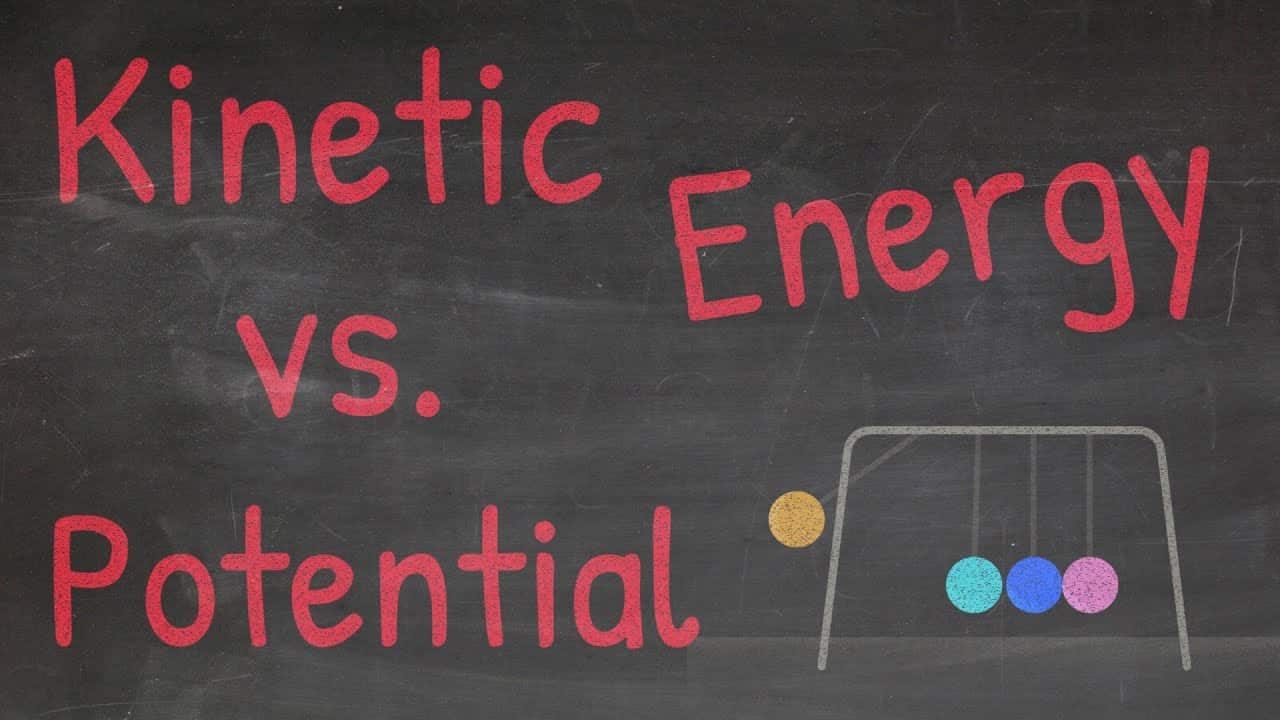
In physics, there are two different types of mechanical energy that play a crucial role: kinetic energy and potential energy.
Kinetic energy is related to mass
- The kinetic energy (Ek) of an object can be calculated using the formula Ek = 0.5 · m · v^2, where m is the mass of the object in kilograms and v is its velocity in meters per second.
- A car traveling at high speed has a large amount of kinetic energy. The faster the car is and the heavier it is, the greater its kinetic energy.
- Kinetic energy also depends directly on the mass of the object. A heavier object traveling at the same speed has greater kinetic energy than a lighter object.
- Kinetic energy is proportional to the square of the speed. This means that doubling the speed results in a fourfold increase in kinetic energy.

Potential Energy as the Energy of Position
While kinetic energy is the energy of motion, potential energy is the energy of position.
- Potential energy describes a body’s ability, based on its position, to perform mechanical work, emit light, and release heat.
- Potential energy is a special form of mechanical energy, just as kinetic energy is.
- It can be calculated using the formula E (pot) = m ⋅ g ⋅ h, where m is the mass of the object, g is the acceleration due to gravity, and h is the height.
- For example, a ball floating high in the air possesses potential energy. The higher the ball is and the heavier it is, the greater its potential energy.
- Potential energy can either be stored within a body itself, converted into other forms of energy, or transferred from one body to another.