255
It is possible to clean the particulate filter yourself. To do so, you’ll need a special cleaner and some basic car knowledge.
Cleaning Your Particulate Filter Yourself: What You’ll Need
Your vehicle’s particulate filter becomes clogged with fine soot particles, which happens especially quickly if you drive a lot of short trips. Diesel engines don’t like that at all.
- On short trips, the exhaust aftertreatment system doesn’t reach the required operating temperature. As a result, the soot cannot burn off completely. The consequence: The particles build up in the filter until it eventually becomes clogged.
- To prevent this from happening, the particulate filter should be cleaned regularly. Modern cars use a warning light to indicate when the filter is clogged. With older models, you’ll notice this, for example, through increased fuel consumption or reduced performance.
- You can have the particulate filter cleaned at a repair shop. However, this will cost you a sum in the low four-digit range. It’s cheaper to clean the filter yourself.
- To do this, in addition to a cleaning agent for particulate filters , you’ll need a special automotive tool (such as a release tool or an injection unit, or a fuel vapor valve and injector) as well as standard tools.
- If you replace the filter yourself, you’ll save a lot of money and time. The downside: The chemical cleaning agents used can damage the filter’s structure. Additionally, you won’t have a warranty if you don’t perform the work properly and damage occurs.
- By the way: The service life of a diesel particulate filter is 120,000 to 150,000 kilometers. The filter should be replaced by then at the latest.
- Important: The diesel particulate filter is regularly “cleared” by diesel vehicles. However, this is only a short-term solution and does not replace a thorough cleaning. To clear the filter, you should drive on the highway for 15 to 30 minutes at a constant high speed of around 120 km/h. During this process, the filter reaches a temperature of 600 degrees Celsius, which burns off the soot. Unfortunately, the ash remains on the filter. Therefore, it does not get thoroughly clean.

Step-by-Step Guide to Cleaning Your Particulate Filter: A How-To
If you want to clean the particulate filter yourself, it’s important to let the exhaust system cool down completely. Otherwise, there’s a risk of burns and fine cracks in the filter when the cold cleaning fluid is poured in. If you’ve been driving the car recently, you should let it sit for an hour before you start cleaning.
- Next, free up the particulate filter so you can access it easily. To do this, remove any attached sensors and other car parts.
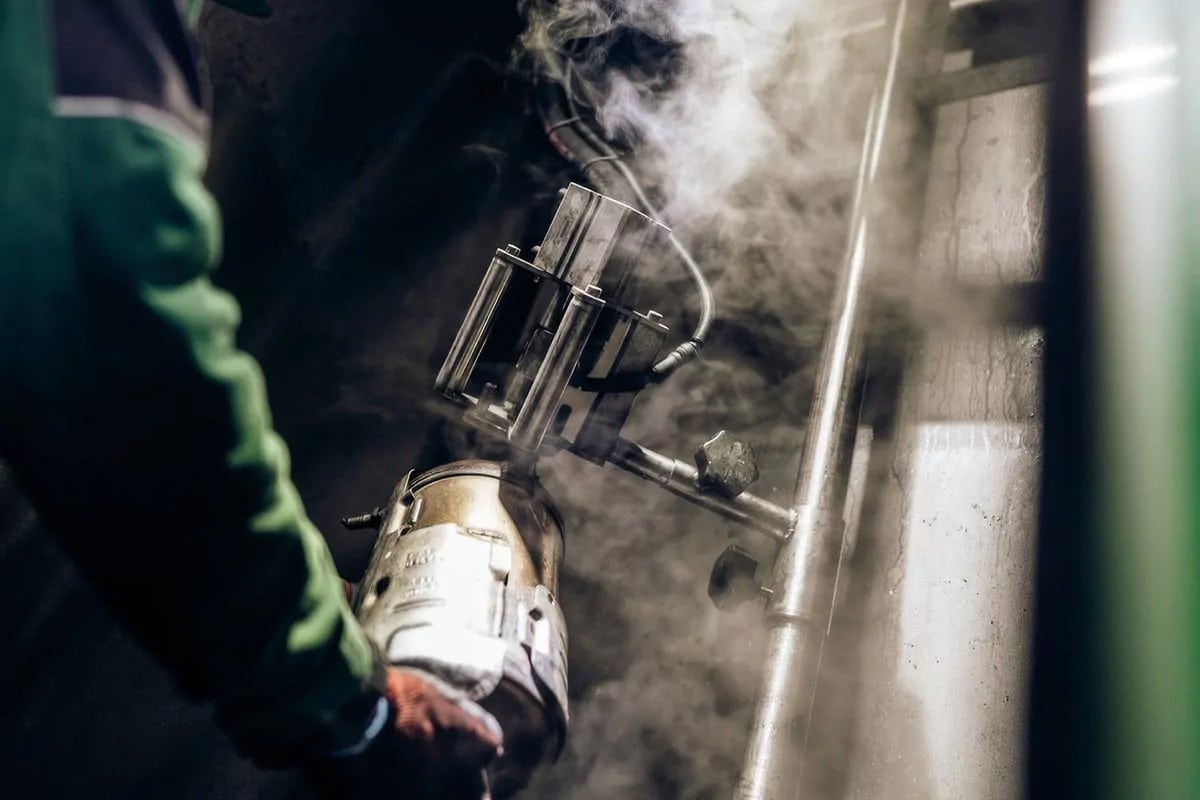
- Once that’s done, shake the can of cleaning solution well and insert the hose into the holes in the particulate filter. Now you can pour in the cleaning solution. Important: Always follow the manufacturer’s instructions.
- Spray the cleaner into the filter at five- to ten-second intervals. While spraying, rotate the probe so the cleaner reaches every part of the filter. Repeat this step until the cleaner is used up.
- Finally, reinstall the sensors and any other parts you removed. Then reset the learning values using a diagnostic tool—otherwise, the sensors will still “think” that the particulate filter is full.
- Let the car sit with the engine running for 15 minutes. Then take the car for a test drive so the filter can burn off the residue properly once more.
- By the way: A diesel particulate filter can be cleaned multiple times. This does not affect its quality. However, this only applies if the filter is in perfect working order and has no cracks or other damage.
- Tip: To prevent the filter from clogging too quickly or too severely, you should avoid driving short distances in your diesel vehicle whenever possible. You should also have the filter serviced regularly and make sure to clear and burn off the particulate filter periodically.