447
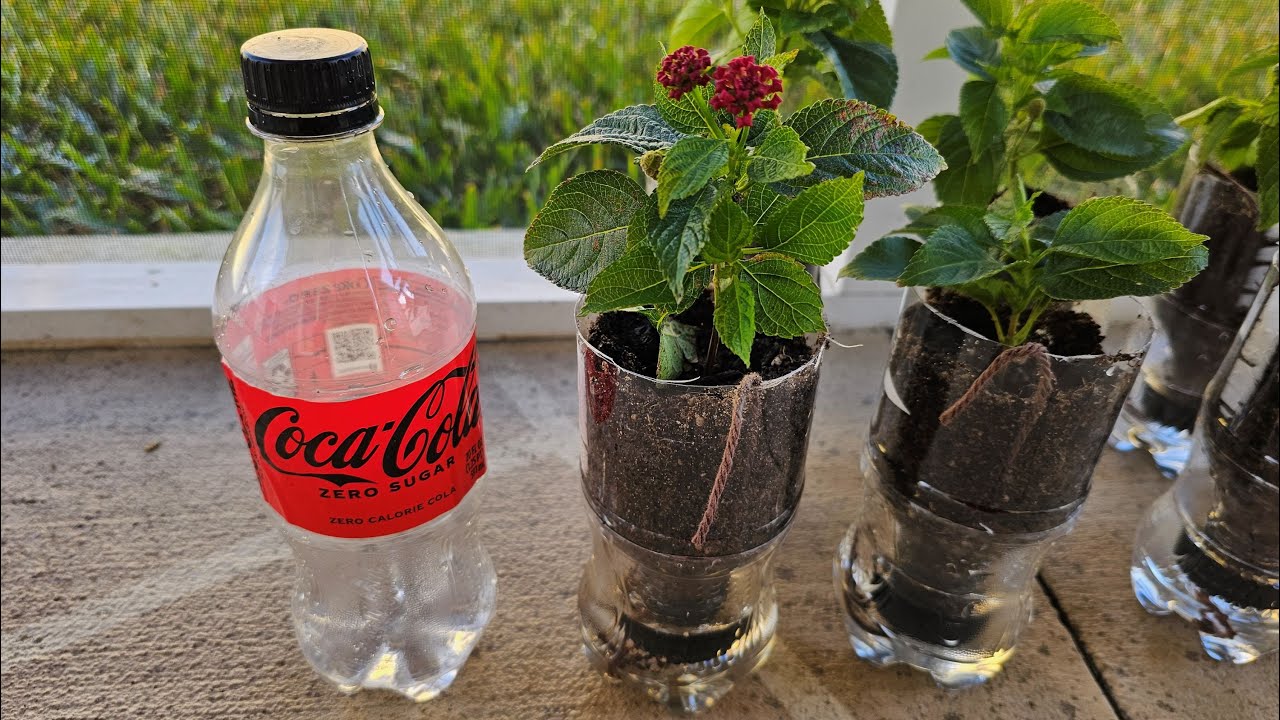
Cola can be used as fertilizer. This caffeinated beverage contains ingredients such as phosphoric acid, which can have a positive effect on growth.
Cola as fertilizer
Every now and then, a splash of cola can be good for your houseplants. But don’t overdo it, because cola doesn’t only contain nutrients that are good for flowers. If you use too much, you will damage your jungle. Here’s the best way to proceed.
- If your plants, whether indoors or outdoors, show signs of aphid infestation, you can spray them with a little cola. The sugar it contains is not tolerated by the pests.
- You can also use leftover cola as watering water and thus as a small fertilizer from time to time.
- Due to the high sugar content, plants that consume a lot of nutrients are best suited to a sip of cola. These include potatoes, cabbage, tomatoes, cucumbers, and peppers.
- The phosphorus it contains can promote plant growth. Conventional fertilizers also contain phosphorus, as it is needed for cell structure.
- The sugar it contains is metabolized by microorganisms and bacteria. This produces nitrogen. Nitrogen is also a popular fertilizer because it is involved in photosynthesis.
- However, the sugar causes damage to the roots in the long term. They can then no longer absorb water and the plant dries out.
- However, cola is a very acidic drink (it is even used as a drain cleaner). Too much acid is not good for plants. You should therefore only use cola for watering in exceptional cases and in very small quantities.
- Conclusion: If you only pour a little cola into the potting soil of your plants in rare cases, not much can go wrong. However, if you use it on a regular basis, your flowers will die.

Alternative fertilizers
Since cola has very limited use as a fertilizer, it stands to reason that there are alternatives. You can use these household remedies to fertilize or water your plants.
- Coffee grounds are particularly well suited for fertilizing. They contain important nutrients such as nitrogen, phosphorus, and potassium, which are also found in conventional fertilizers.
- Tea leaves from tea bags also make an excellent fertilizer.
Black tea keeps pests away, chamomile tea is good for growth, and green tea improves the soil.
- Do not pour away the cooking water from your vegetables, as it makes an excellent fertilizer. The vegetables release important nutrients into the water. The cooking water from broccoli, cauliflower, and asparagus is well suited for this purpose.
- Stale mineral water contains many minerals that are beneficial for your houseplants. It is a good source of energy.
- If you have a fireplace, you can use the ashfrom your fireplace as fertilizer. It contains the mineral “potassium,” which is beneficial for your plants. Celery, tomatoes, and potatoes are particularly suitable.
- Your roses will especially appreciate banana peels. During the decomposition process, the peels release plenty of humus, which stimulates the roses to bloom. Cut the banana peel into small pieces and mix them into the potting soil.
- Many garden owners water their plants with rainwater. However, this contains little lime, which eggshells can replace. Crush the shells of boiled eggs and sprinkle them into the flower bed. Herbs such as thyme, sage, and lavender are particularly well suited for this.