672
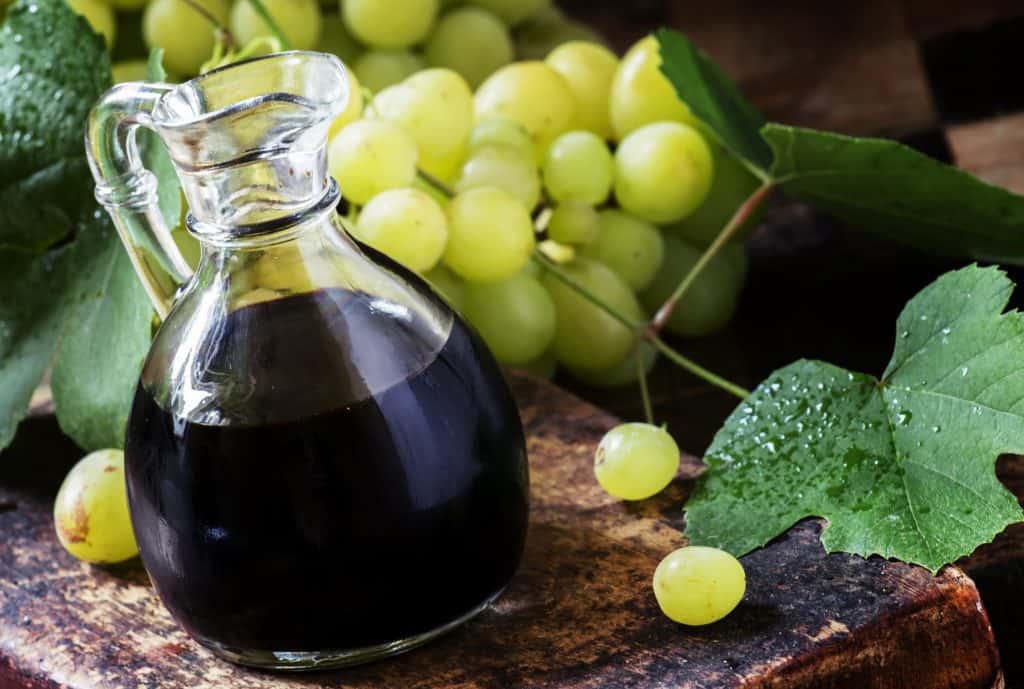
Since balsamic vinegar contains alcohol, many women wonder whether balsamic vinegar is still permitted as a dressing during pregnancy. In this article, we explain whether you should avoid balsamic vinegar if you are pregnant.
Balsamic vinegar during pregnancy – allowed or forbidden?
As a pregnant woman, you should stick to a few rules when it comes to your diet. It is not always easy to keep track of what is allowed and what is forbidden. This also applies to balsamic vinegar
.
- Alcohol is generally taboo during pregnancy. However, there are numerous foods that contain a small amount of alcohol. Many pregnant women are therefore unsure whether they are allowed to consume balsamic vinegar, for example.
- Traditional Aceto Balsamico di Modena is a type of vinegar made from wine vinegar and grape must. However, the alcohol content in balsamic vinegar is so low that you can eat it without any problems, for example as a salad dressing, even during pregnancy.
- Industrial balsamic vinegar is often a mixture of vinegar, grape must concentrate and colorants such as caramel. The sugar content may be higher due to added syrup or caramel.
Antioxidants or preservatives may also be included. Some variants still contain very small traces of alcohol, which are due to technological reasons but are considered harmless to health during pregnancy. - If you want to be on the safe side, opt for pasteurized vinegars. Pasteurization offers additional protection, as possible bacteria are killed off.
- Balsamic cream, which is often used to decorate or dress tomato mozzarella, often contains no alcohol at all and can also be used during pregnancy without any problems – as long as you take the high sugar content into account. If you have gestational diabetes or an increased risk of blood sugar fluctuations, you should be careful and use the cream sparingly.
- Since balsamic vinegar can have a positive effect on your health, it can be included in a pregnant woman’s diet. Balsamic vinegar improves your kidney function, helps with digestive problems and is said to have a detoxifying effect against toxins.
- After opening, balsamic vinegar should always be kept well sealed and stored in a cool, dark place. Check the smell and taste regularly: a musty or fermented taste indicates a loss of quality.

Alternatives to balsamic vinegar
Many pregnant women develop a greater sensitivity to acidic foods during pregnancy or suffer from heartburn. In these cases, milder alternatives may be more pleasant:
- Apple cider vinegar is particularly suitable as it has a gentler taste and a fruity note.
- If you are looking for an aromatic yet less acidic variant, you can use raspberry or pomegranate vinegar .
- Another option is white balsamic vinegar (Condimento Bianco). It tastes lighter, fruitier and usually less intensely acidic than dark balsamic vinegar. This makes it suitable for sensitive stomachs.