563
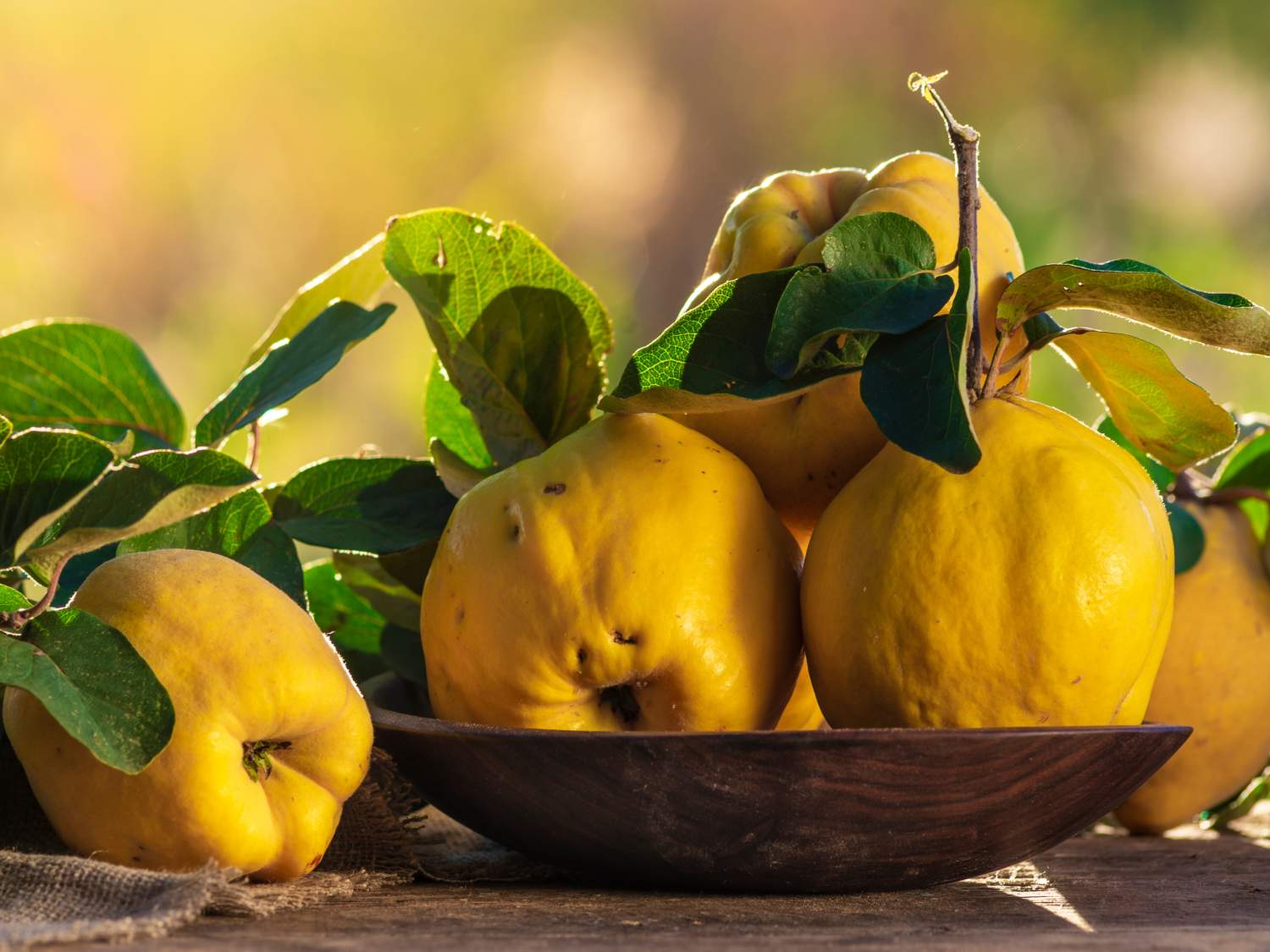
Quinces are versatile fruits with an intense aroma. But you need to be careful with the seeds, which contain hydrocyanic acid. We show you how poisonous they really are.
Toxic quince seeds – what are they all about
Even in ancient times, quinces were not only prized for their taste. It was also used as a remedy. However, it has always been the case that the poisonous seeds should not be swallowed.
- Do not bite or crush quince seeds, as this releases hydrocyanic acid. This can be poisonous even in relatively small doses. If you accidentally swallow one or a few seeds, this is not a problem. However, avoid eating quince seeds in general.
- Quince seeds are often recommended on the internet as a home remedy for throat complaints. If the whole seeds are soaked and boiled, quince mucilage is produced. When gargled, this is said to have an expectorant and anti-inflammatory effect. Its use is generally unproblematic. But the same applies here: do not swallow the seeds.
Instead, spit out the quince mucus after use. - There are around 200 different types of quince known worldwide. Only a few of them can be eaten raw. Although they are not poisonous when raw, their woody, bitter taste makes them inedible. Cooked, however, they are very tasty.
- Quinces are a very versatile fruit. As soon as they are heated, they develop their full flavor. Quinces are an excellent baking ingredient. They also taste good when made into jam or jelly. The autumn fruit is less well-known, but recommended in combination with fish and meat.
The possibilities for using them are almost endless. - In addition, the yellow fruits contain large amounts of potassium, vitamin C and pectin. Quinces have been used as a remedy since ancient times. For example, the pectin it contains lowers cholesterol levels, removes harmful substances from the body and reduces the risk of heart attacks.
- The quince originates from the south of the Mediterranean region. There it still plays a major role in local cuisine. The fruit was very popular here until the 19th century. After that, the importance of the quince declined due to a new variety of fruit on offer. Today, only a few varieties are still available in Germany. In recent years, however, demand for and cultivation of quinces has increased again.
The high-maintenance fruit is also becoming more popular again with amateur gardeners.


previous post