188
Chestnut trees can be planted in a wide variety of locations. However, keep in mind that a chestnut tree can grow very large. Some species can reach heights of over 25 meters.
How to Plant a Chestnut Tree
If you want to plant a chestnut tree in your garden, all you need is a fresh chestnut of the desired species and a damp paper towel or cotton ball. So, you should start by collecting chestnuts.
- First, look for a fresh chestnut. The fruit must not be dried out; otherwise, it won’t germinate. If you want to plant an edible chestnut to eat the fruit later, make sure to choose an edible chestnut .
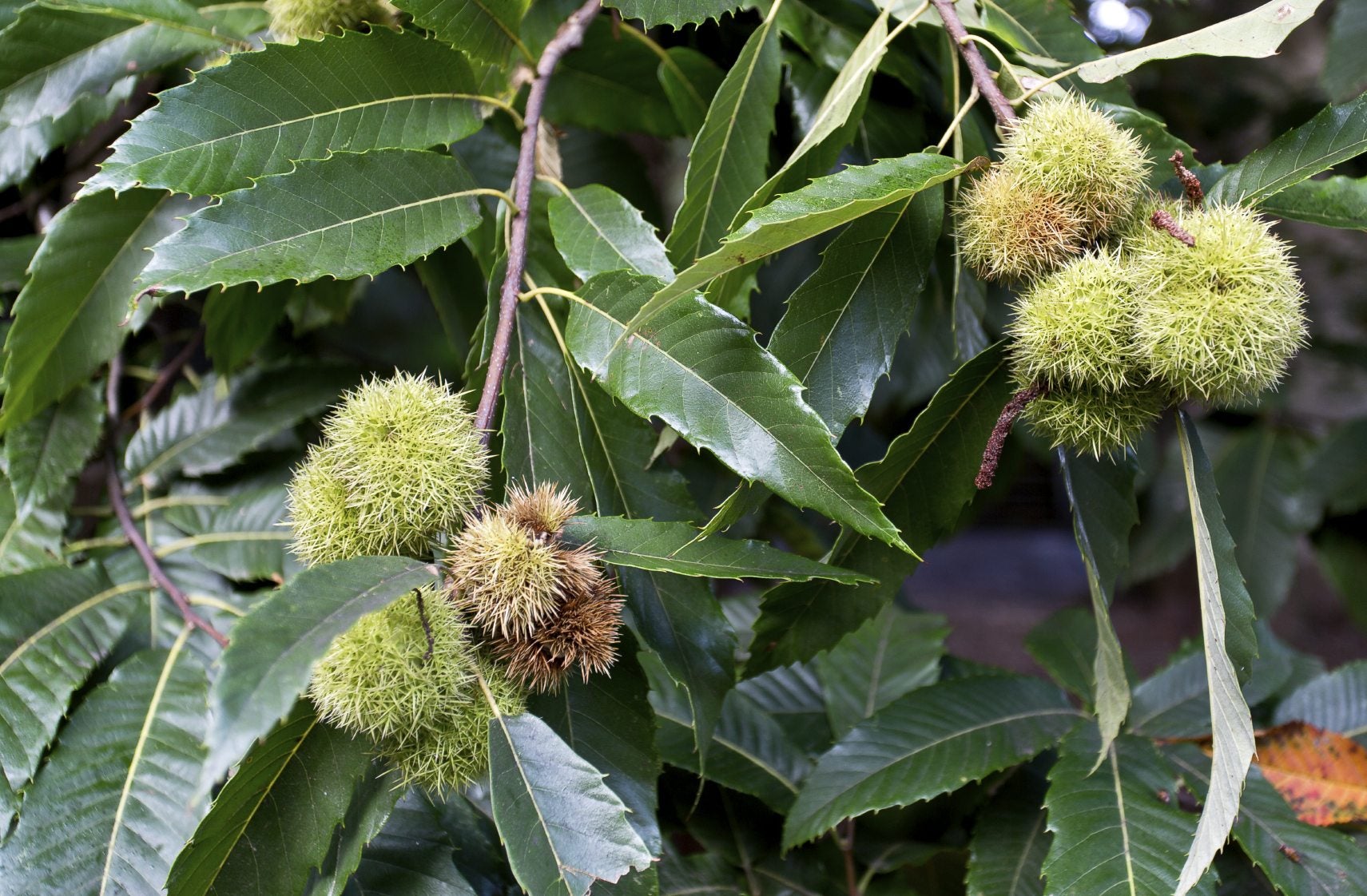
- The shell of an edible chestnut is densely covered with sharp spines. A horse chestnut, on the other hand, has only a few spines. Horse chestnuts are not suitable for consumption because they are slightly poisonous.
- Once you’ve found the right chestnut, all you need to do is wrap it in a damp paper towel or damp cotton.
- Place the chestnut in a warm, sunny spot and make sure the paper towel or cotton stays damp.
- Your chestnut will begin to sprout after just a few weeks. As soon as the first leaves appear, you should transplant the seedling into a small pot with potting soil so it can grow a little stronger.
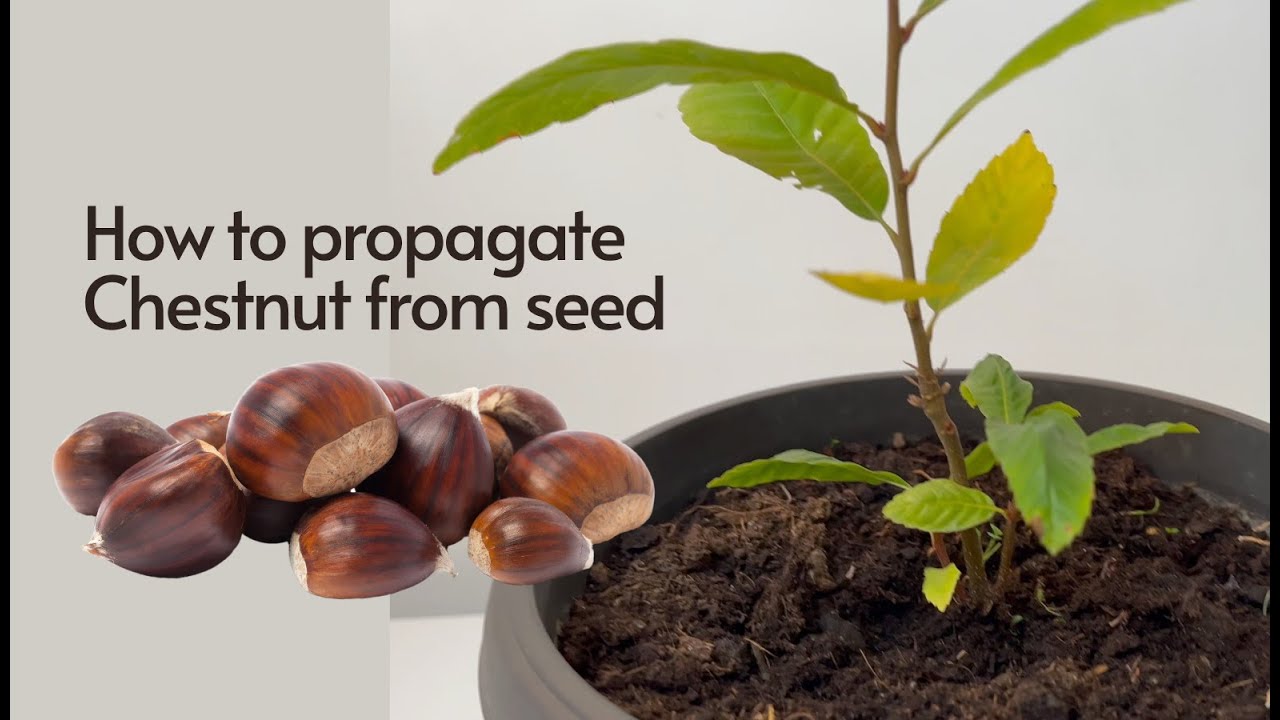
Don’t transplant the chestnut until spring
You should wait until spring to plant the mature cutting in the ground. Otherwise, the plant may die or freeze during the winter.
- Place the pot with the cutting outside when the weather is warm. This allows the plant to gradually acclimate to the weather.
- In the spring, dig a hole at the desired location and plant the cutting in the soil. The roots should then be well covered with soil.
- Water the cutting regularly. It’s also a good idea to fertilize it in the spring and fall with compost or horn shavings.
- Also, keep in mind that the chestnut tree needs to be pruned regularly.