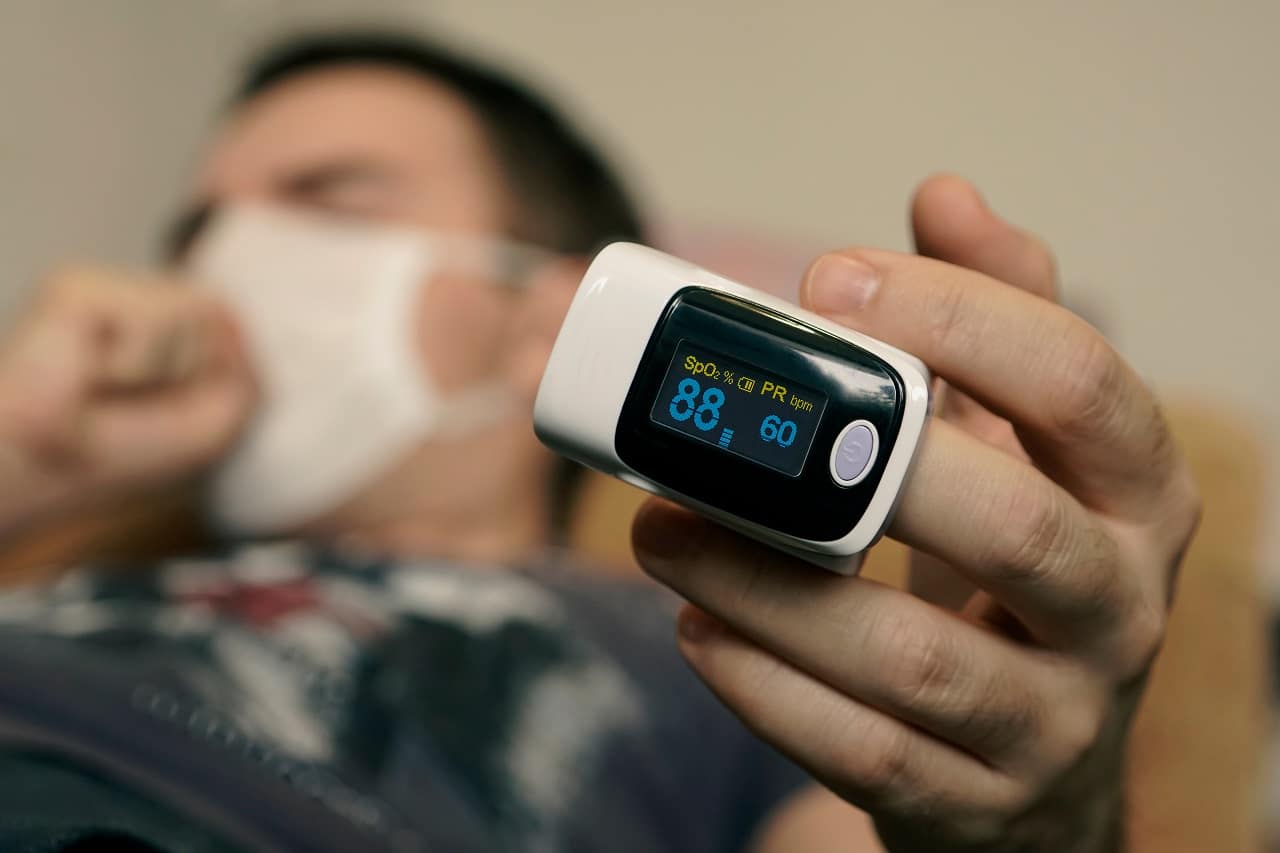
When oxygen saturation in the blood is too low, hypoxia manifests itself through distinct symptoms. The danger of hypoxia is that irreversible damage to the brain can occur even after a short period of time.
Low blood oxygen saturation—symptoms
Those affected immediately notice that something is wrong. There is an insufficient supply of oxygen either throughout the entire body or in a specific part of the body. If several of these symptoms occur, you should seek medical advice—especially if you have a chronic condition.
- Those affected suffer from sweating at the slightest exertion, accompanied by shortness of breath . Breathing is also very shallow, and blood pressure rises.
- In addition, severe pain or a stabbing sensation in the chest may be felt. In general, people with low oxygen levels feel very weak. They shiver, have a very rapid pulse , and perceive their surroundings differently.
- In some cases, this leads to loss of consciousness. In addition, those affected complain of constantly alternating sensations of cold and heat.
- If the fingers, lips, or mucous membranes of the affected person turn bluish, a doctor must be contacted immediately.
- Other possible symptoms include, fatigue and weakness, headaches, dizziness or dizziness, difficulty concentrating as well as restlessness or anxiety.
Causes of hypoxia
The causes of low oxygen saturation in the blood can vary:
- Anemia: You may have too few red blood cells or too little hemoglobin in your blood. Hemoglobin acts as a carrier of oxygen. In the lungs, the blood is enriched with oxygen and transported to the rest of the body.
- Poisoning: Alternatively, the oxygen “binding” sites on hemoglobin may already be occupied. This can be the case if the body is poisoned.
- Lung diseases: Another possible cause is impaired gas exchange in the lungs. This can occur, for example, in lung diseases such as COPD, asthma, pneumonia, or pulmonary fibrosis.
- High-altitude exposure: At high altitudes, the oxygen content of the air is reduced. This, too, can lower oxygen saturation.
- Sleep apnea: Breathing pauses at night, such as those that occur with sleep apnea, also impair oxygen supply.

Treatment: When to See a Doctor and What You Can Do Yourself
As a general rule, the underlying cause must always be addressed before treating the symptoms. A patient is only connected to an oxygen mask if there is an acute threat to life or a risk of irreparable damage.
- Be sure to seek medical advice if your oxygen saturation is consistently below 92 %, if you repeatedly experience shortness of breath or severe fatigue, or if you have underlying conditions such as heart or lung disease.
- Through targeted tests (blood gas analysis, pulmonary function test, ECG), your doctor can determine the cause and initiate appropriate treatment—for example, with medication, oxygen therapy, or breathing exercises.
- In addition to medical treatment, there are steps you can take to improve your oxygen supply: Get out into the fresh air regularly. Light exercise such as walking or yoga can improve lung function. An iron-rich diet (e.g., green leafy vegetables, legumes, red meat) supports hemoglobin production.