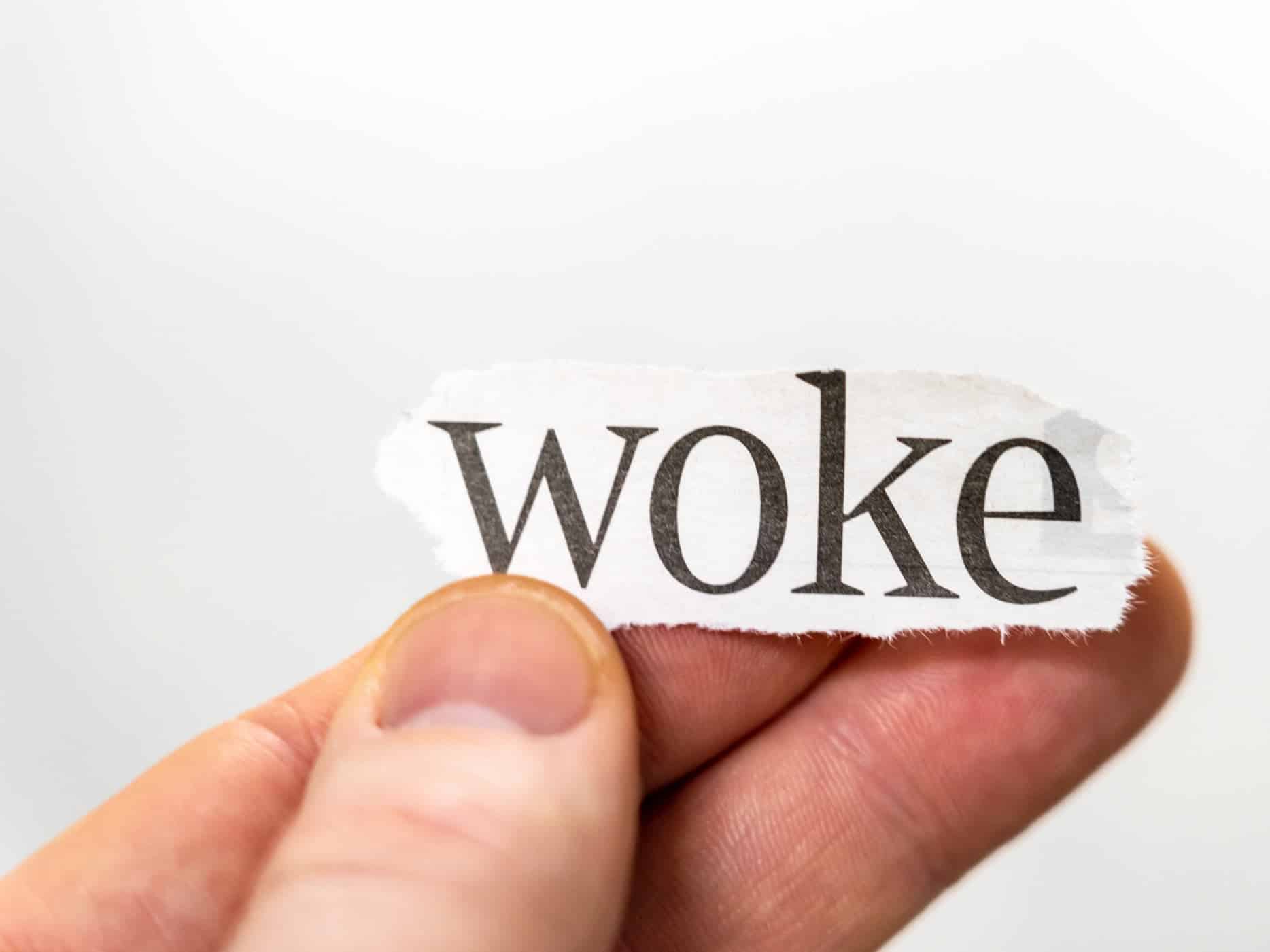
To understand what “woke” means, all it usually takes is a quick look at social media. There, more and more people are drawing attention to sensitive issues such as discrimination or racism. They are acting “woke.”
From English: What the term “woke” means
The term “woke” originally comes from African American English. As early as the 1940s, “stay woke” was used in the African American community as a call to remain “vigilant” against social injustices, particularly racism and discrimination.
- In the 1960s, during the American civil rights movement, the term gained further significance and became synonymous with an awareness of social injustices and the need to actively fight against inequality.
- With the rise of social movements such as “Black Lives Matter,” “woke” experienced a renaissance starting around 2014. It now referred to people who are particularly sensitive to and committed to fighting discrimination, racism, sexism, and other forms of social inequality. In this sense, “woke” stands for a strong sense of justice and a willingness to openly address and combat social injustices.
- Hashtags like #woke or #staywoke are frequently used on social media to draw attention to social injustices. The goal is to foster greater sensitivity and openness toward people who are oppressed and discriminated against in one way or another.
- The term “woke” is derived from the English word “wokeness,” which stands for mindfulness. Additionally, “woke” is the past tense of the verb “wake” (meaning “awake” or “alert”).
Criticism of the Woke Movement: From Black-and-White Thinking to Woke-Washing
Even though the idea behind the woke movement is a commendable one—and there is no doubt that the world needs more people who are open to sensitive topics like discrimination or racism—the term has also faced criticism.
- The “woke” movement is often accused of being too judgmental. Others are criticized for not being “woke” enough. Thus, the “woke” movement also belittles people who, in its eyes, are not acting correctly (enough).
- Activists pillory other people for this. This leads to black-and-white thinking, which has little to do with tolerance and openness.
- This, in turn, can lead to the emergence of norms that, in some cases, amount to censorship. When “wokeness” is very strongly emphasized and practiced, it can certainly undermine freedom of speech. The moralism that is practiced no longer allows for any other opinion. Open and constructive discussion then becomes virtually impossible.
- Another controversial topic is so-called “woke-washing.” This term refers to situations where companies, brands, or individuals speak out against discrimination and racism but fail to act accordingly. In such cases, the “woke” movement is co-opted for personal gain.
The positive reputation is shamelessly exploited and used for marketing purposes to improve the image and/or attract new customers.
- In recent years, the meaning of “woke” has shifted and become polarizing. While supporters continue to view the term positively, critics are increasingly using it pejoratively. In conservative and right-wing circles, “woke” often serves as a catchphrase to discredit progressive positions or demands for political correctness. The term then stands for alleged hypersensitivity, moralizing, or a restriction on freedom of speech.
- But it also works the other way around: The term “woke” is closely linked to the phenomenon of “cancel culture.” This refers to the practice of publicly criticizing, boycotting, or “canceling” individuals or organizations perceived as racist, sexist, or discriminatory. While supporters view this as necessary social progress, opponents criticize it as alleged intolerance toward dissenting opinions and a restriction on freedom of speech.

Examples from politics, media, and pop culture
Here are some examples from politics, media, and pop culture.
- Politics: In the U.S., conservative politicians and media outlets often accuse “wokeness” of undermining traditional values or stifling debate. In Germany, too, the term is increasingly used in political discussions, for example in connection with gender debates or the culture of remembrance.
- Media: Many media outlets and companies strive to appear “woke” by promoting diversity or avoiding discriminatory language. Some view this as progress, while others criticize it as “woke-washing” or tokenism.
- Pop culture: “Woke” is a topic in movies, TV shows, and music, for example when artists publicly speak out against racism or when diversity is deliberately promoted in casting.