984
There are various ranks in the US Federal Bureau of Investigation, the FBI. A career with the secret service begins with training. After that, there are various stations and you can theoretically rise step by step from New Agent to Director.
The hierarchical FBI ranks at a glance
The Federal Bureau of Investigation (FBI) is both the US federal police force and the domestic intelligence agency. Its headquarters are located in Washington, D.C. The FBI maintains about 55 field offices in the USA; in addition, there are smaller “resident agencies” and about 60 international legal attaché offices. The ranking (ascending) is as follows:
- New Agent Trainee (apprentice): Start of career at the FBI Academy in Quantico (16-20 weeks basic training). Here, candidates learn legal principles, investigative strategies, the use of firearms, interrogation techniques and physical fitness.
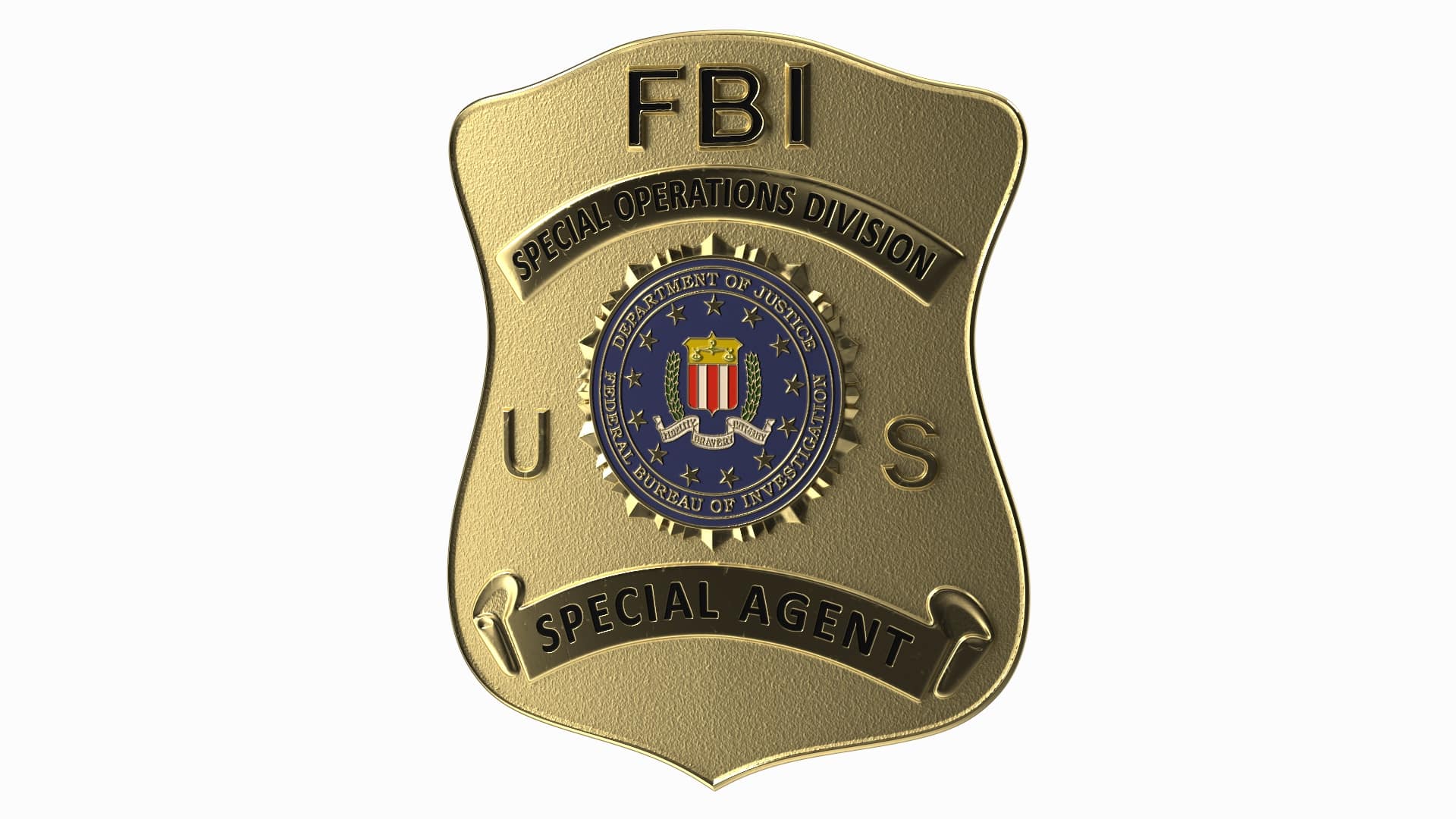
- Special Agent: The standard rank in the FBI. Special Agents conduct investigations, collect evidence, interrogate suspects, arrest offenders and work in task forces. They are the backbone of the agency.
- Senior Special Agent: Experienced investigators with often more than 10 years of professional experience. They have in-depth specialist knowledge (e.g. cybercrime, terrorism, white-collar crime) and often take on the role of mentors for younger agents.
- Special Agent: The next career stage is the position of Special Agent. Here you have already gained professional experience and are also armed.
- Supervisory Special Agent (SSA): First management level. An SSA leads small teams or specialized investigation groups, coordinates operations and is responsible for the professional quality of the work. Career path: usually after several years of experience and proven leadership.
- Assistant Special Agent in Charge (ASAC): Deputy to a field office manager. Responsible for larger areas of investigation (e.g. cybercrime department). The ASAC has managerial responsibility and reports directly to the SAC.
- Special Agent in Charge (SAC): Head of a field office. A SAC leads an entire office or a task force with several hundred employees. Decisions concern personnel, resources and strategic investigation priorities.
- Deputy Assistant Director (DAD): Intermediate level at headquarters. DADs support Assistant Directors in the management of larger divisions (e.g. Cyber Division, Counterterrorism Division).
- Assistant Director (AD): Head of an FBI division or branch area at headquarters. ADs hardly ever work operationally, but are primarily concerned with organization, strategy and personnel management.
- Executive Assistant Director (EAD): Responsible for entire branches (e.g. Intelligence Branch). EADs are part of the top management level and coordinate the work of several divisions.
- Associate Executive Assistant Director: Rare rank, especially in the National Security Branch.
Supports the EAD level and serves as a liaison to other agencies. - Chief of Staff: Supports the FBI Directorate in administrative and strategic tasks. Coordinates internal processes between the Directorate and the divisions.
- Associate Deputy Director (ADD): Liaison between the Directors and Assistant Directors. Coordinates daily processes, strategic projects and supports the Deputy Director.
- Deputy Director: Deputy Director of the FBI. Responsible for the operational management of the entire Bureau. Deputy Director is the highest career level a career officer can attain in the FBI.
- Director: Highest position in the FBI, politically appointed. The Director is appointed by the President and confirmed by the Senate.
The regular term of office is 10 years, but can be shortened or extended by the President. The Director sets priorities for the entire FBI and represents the agency externally.
Training and recruitment requirements at the FBI
The requirements for a career with the FBI are strict and varied.
- American citizenship is mandatory.
- Applicants must generally be between 23 and 36 years old although exceptions may apply for certain groups such as veterans.
- In addition, a bachelor’s degree is required, supplemented by at least two years of professional experience. Those with a Master’s degree generally only need one year of professional experience.
- In addition, candidates must have a valid driver’s license have a clean tax and repayment record and must not have any links to extremist organizations . Registration with the Selective Service (for men) and a clean police and financial history are also mandatory.
- A key element is the highest level security clearance (Top Secret / SCI), which includes a very thorough background check. This includes a polygraph test, a credit and reference check and personal interviews.
- Also, applicants must meet medical and physical requirements. These include an eye test, a hearing test and an extensive fitness test, which includes sit-ups, a 300-meter sprint, push-ups and a 1.5-mile run.
- After successful admission, training follows at the FBI Academy in Quantico (Virginia). This lasts around 16 to 20 weeks and includes both theoretical and practical content.
In addition to legal theory and interrogation techniques, shooting exercises, operational training and teamwork are also practiced. - On completion of the training, the new special agents are transferred to one of the field offices and undergo a two-year probationary period. Only then is their recruitment considered complete.

Internal structure: departments, special units and management level
The FBI is divided into several large functional areas, which are referred to as Branches . These include the Intelligence Branch, the National Security Branch, the Criminal, Cyber, Response and Services Branch, the Science and Technology Branch, the Information and Technology Branch and the Human Resources Branch.
- Each of these branches is headed by an Executive Assistant Director . Below him are several Assistant Directors and Deputy Assistant Directors, who are responsible for the individual divisions.
- The management structure extends beyond this level to the Chief of Staff, the Associate Deputy Director, the Deputy Director and finally the Director. While the lower ranks of the American police, such as Special Agents, are mainly operational, the higher ranks increasingly take on management and coordination tasks.
- In addition, the FBI has special units that perform special tasks. These include the SWAT teams (Special Weapons and Tactics), which are prepared for particularly dangerous missions and are based in the Field Offices.
- There is also the Hostage Rescue Team (HRT), which is deployed as an elite force in hostage-taking and terrorist situations. This is supplemented by units for forensics, cyber defense and covert operations.
- In this way, the FBI combines a flat, mission-oriented structure in the field offices with a complex management hierarchy at headquarters. This enables both effective regional anchoring and coordination at national and international level.