Almost all of us use a smartphone with a built-in rechargeable battery every day, but not everyone understands exactly how it works.
How Does a Rechargeable Battery Work? Explained Simply
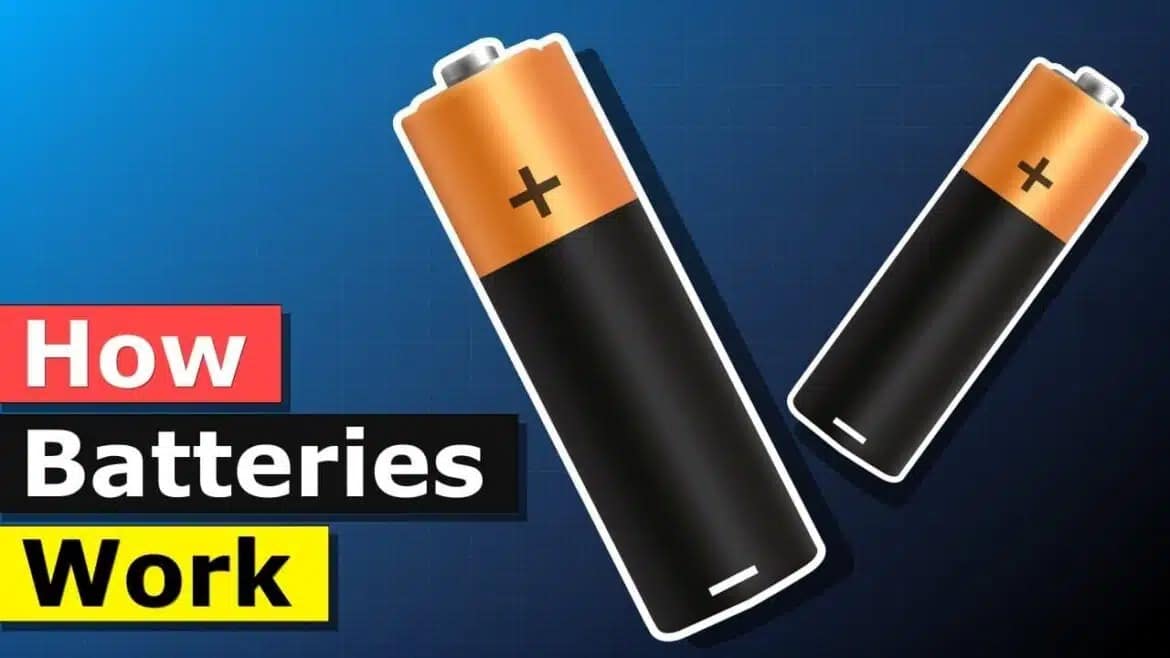
A rechargeable battery is an energy storage device that chemically stores electrical energy and releases it when needed. It is one of the most important technologies in modern everyday life—whether in smartphones, electric cars, laptops, or power tools.
- Inside a rechargeable battery is a liquid called an electrolyte. Additionally, a rechargeable battery contains two different types of metal.
- The electrolytes cause the two metals to react with each other. This results in an exchange of electrons between the two metals.
- To use this chemical energy, you must insert the battery into a smartphone, for example. Connecting the two terminals sets the electrons in motion.
- The movement of the electrons generates electrical energy, which powers our smartphone. It also generates thermal energy, causing the battery to heat up when you use it for an extended period.
How a lithium-ion battery works
- The metal at the negative terminal of the battery is graphite, in which lithium is embedded. The positive terminal contains lithium cobalt dioxide.
- When you connect the battery to a power outlet, the positively charged lithium ions move from the positive terminal to the negative terminal. When you use the battery in a device, the electrons are absorbed by the ions.
- The negatively charged ions then migrate back to the positive terminal and are recharged there.
- This process is finite. After numerous charging cycles, not all lithium ions can be fully discharged. This is why the runtime of batteries decreases over a period of approximately two to five years, depending on usage.
Tips for selecting, using, and storing batteries
Choosing the right battery for your electronic devices is crucial to ensuring optimal performance and a longer service life. In addition, the proper use and storage of batteries are of great importance for maintaining their functionality.
- Selecting the Right Battery Types: Lithium-ion batteries are ideal for most portable electronic devices such as smartphones, laptops, and digital cameras.& nbsp;Nickel-metal hydride (NiMH) batteries are well-suited for devices with high energy demands, such as toys, cordless phones, and portable audio devices. Lead-acid batteries are commonly used in vehicles such as cars, motorcycles, and electric vehicles.& nbsp;
- Check your devices’ battery requirements: Consult your device’s user manual to find out which battery type and size are recommended. Pay attention to the battery’s voltage (V) and capacity (mAh).
Make sure the selected battery meets the device’s specifications.
- Optimal use of batteries: Do not fully discharge the battery before recharging it. Lithium-ion batteries last longest when they are charged regularly and not deeply discharged. Avoid using the devices in extreme temperatures. Heat and cold can affect the battery’s performance and lifespan. If the battery is not used for an extended period, it should be partially charged to prevent deep discharge.
- Storing Batteries: Store batteries in a cool, dry place, away from direct sunlight and moisture. If the battery will not be used for an extended period, charge it to approximately 50 percent and store it in a safe place. Avoid storing batteries near flammable materials.

Battery Care: How to Extend Its Lifespan
With the right care, you can significantly extend the lifespan of your battery.
- Avoid regularly discharging the battery completely or keeping it at 100% all the time. The ideal charge level is between 20 and 80%.
- High temperatures are also detrimental to battery life – therefore, charge devices at room temperature whenever possible and avoid prolonged use in direct sunlight.
- If you won’t be using devices for an extended period, store the battery at around 50% charge and in a cool, dry place. This prevents the electrodes from chemically degrading.
- It is also worth, using original chargers as they optimally monitor voltage and temperature. Cheap chargers, on the other hand, can cause damage due to excessively high charging currents.
Disposal and recycling: Environmental protection starts with the battery
Batteries contain valuable raw materials such as lithium, cobalt, nickel, and copper, which can be recycled. At the same time, if disposed of improperly, they pose a safety and environmental hazard .
- Never throw old batteries in the household trash. Instead, you can drop them off for free at collection points in stores, at recycling centers, or at electronics retailers. There, they are handled properly and valuable materials are recovered.
The Future of Battery Technology: What Comes After Lithium-Ion?
Battery development is advancing rapidly.
- A major trend is solid-state batteries, in which the liquid electrolyte is replaced by a solid one. They are considered safer, longer-lasting, and enable higher energy densities—a decisive advantage for electric vehicles.
- Also sodium-ion batteries are on the verge of entering the market. They are based on the widely available element sodium, are more environmentally friendly and cheaper, although currently somewhat less energy-dense.
- Other areas of research focus on silicon anodes, which can store more lithium, and recyclable cell structures, which are intended to function entirely without critical raw materials.
- Combined with intelligent software control and sustainable production, next-generation batteries could offer more power, longer life, and a lower environmental impact—a crucial step toward a greener technological future.