381
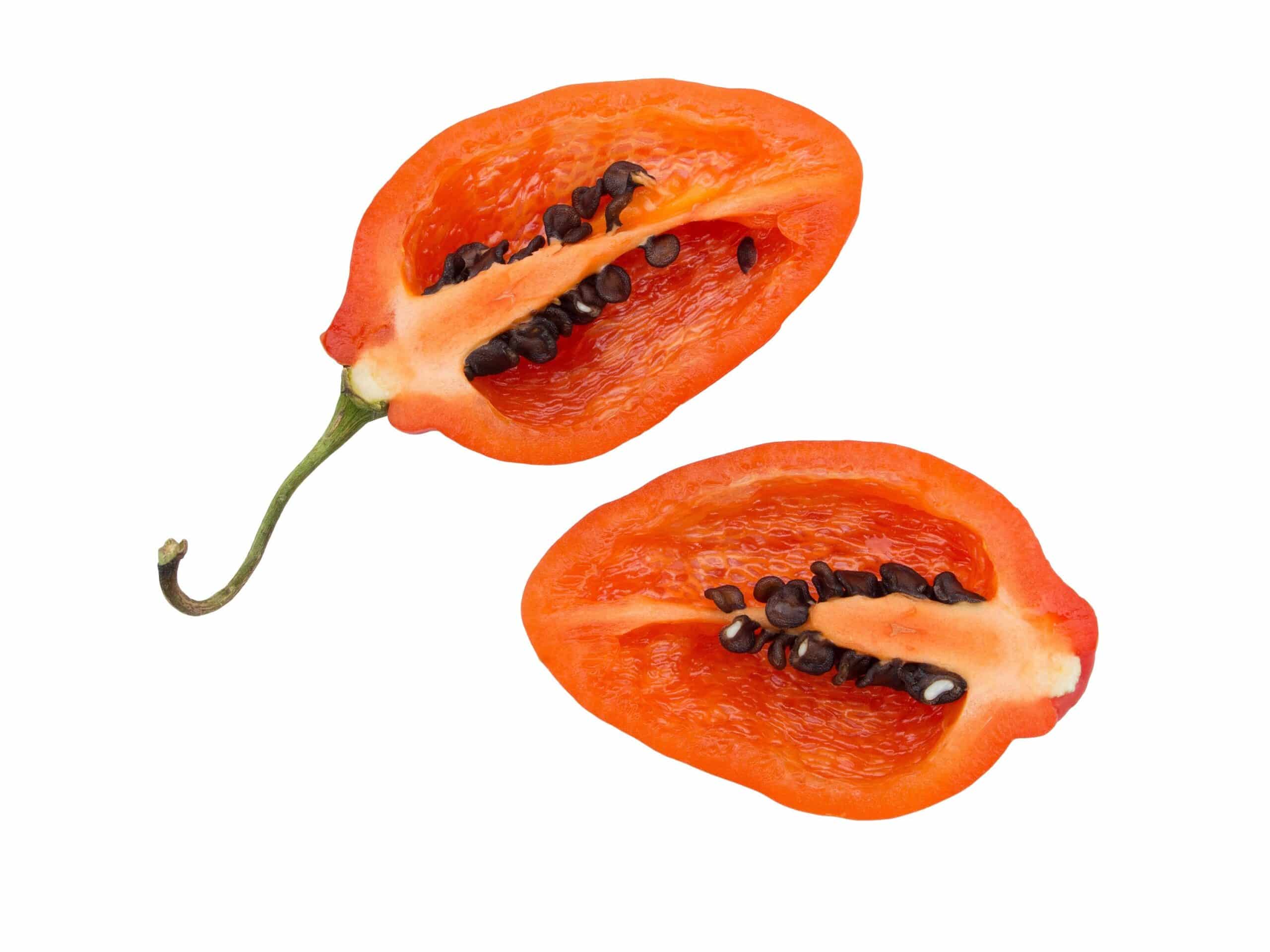
If you have a bell pepper that is black on the inside, this does not necessarily mean that it is no longer edible. The cause of the black spots can be the color change of the fruit.
Peppers black on the inside: check the fruit for mushy spots
If you cut open your peppers and discover black spots on the inside, this doesn’t necessarily mean anything bad
.
- Black spots in the bell pepper can be a accumulation of color particles . This means that if you have a green bell pepper, it may still be ripening and slowly turning red, orange or yellow.
- Pressure marks can also appear black on the inside. They occur when the peppers have been bruised during transportation or in the kitchen. Such spots often taste a little bitter, but are not harmful to health.
- If you are unsure whether the bell pepper is still edible, you should check it for mushy spots. These are usually a sign that the fruit is bad.
- If the mushy spots are only on the outside, you can simply cut them away generously. If the rotten, brown spots also appear on the inside, you should dispose of the peppers, as invisible mold spores may have already formed.
- The skin of the bell pepper can also tell you how long it will keep. If the skin is plump and inconspicuous, you can still eat the bell pepper.
- The situation is different in the case of fungal infestation or mold . Black, soft or damp areas with a musty smell are a clear sign of spoilage. The infestation often spreads from small black spots or mold, which can also appear on the seeds. In this case, the peppers should be thrown away in the organic waste.

Storing peppers correctly
As a rule, fresh peppers will keep for up to two weeks.
- Store peppers in a dark, cool room to preserve them for as long as possible.
- If you have already cut up a bell pepper, store the leftovers in the fridge. It is best to pack them in an airtight tin or wrap them in cling film to prevent them from drying out.
- Sliced peppers will stay fresh for around two to three days. After that, you should use them or dispose of them if they develop discoloration or an unusual smell.