255
If you need a substitute for almond flour, there are many alternatives available. This flour plays a particularly important role in low-carb diets. In this article, we’ll tell you which types are also suitable and more environmentally friendly.
Substitutes for Almond Flour: These Flours Are Ideal
You shouldn’t resort to an alternative only when you don’t have almond flour at home. By purchasing this type of flour, you’re also contributing to several environmentally harmful factors.
- Coconut flour: Coconut flour, just like almond flour, is gluten-free. It’s also high in fiber. It’s ideal for baking cakes, bread, and pastries. However, make sure its sweet flavor complements the other ingredients.
- Whole-grain amaranth flour: This flour is also very popular, especially for making pizza dough or choux pastry. It has a somewhat nutty flavor and absorbs a lot of liquid. For this reason, be sure to add enough liquid to the dough.
- Flaxseed flour: This flour is also a perfect low-carb alternative. It has a slightly nutty flavor and is rich in omega-3 fatty acids. You can use this flour to thicken sauces or in smoothies. When baking, you should only replace about 20% of the required amount of flour with this alternative.
- Soy flour: This gluten-free alternative is often used for breads and pastries. The flour comes in different varieties: defatted with about 1% fat and full-fat with about 20% fat.
- Walnut flour: This substitute is also gluten-free. It’s also high in protein and fiber. With its delicious nutty flavor, this flour is perfect for breads, cakes, and cookies.
- Chestnut flour: This flour is also a gluten-free alternative and is therefore low-carb. It is made from sweet chestnuts and has a sweet, nutty flavor.

How to Make Your Own Almond Flour: Here’s How
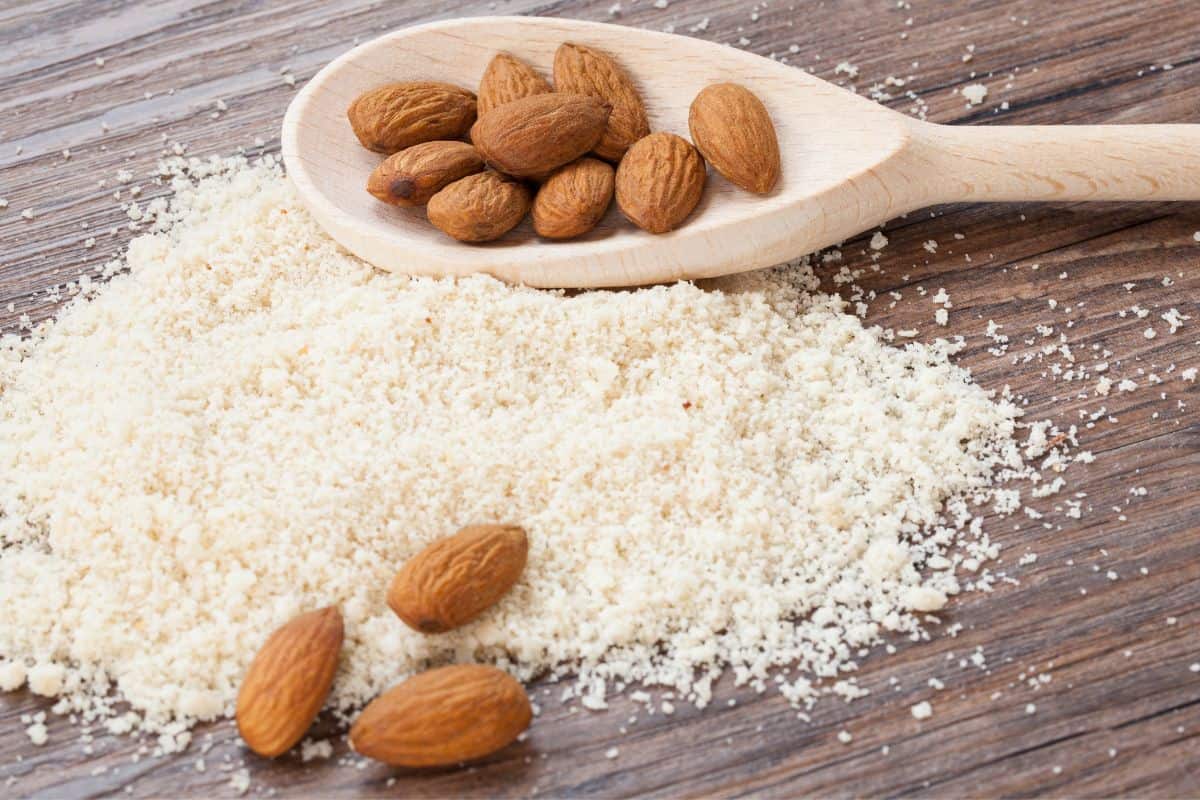
As an alternative, you don’t just have a choice of different types of flour. You can actually make your own almond flour. All you need are natural almonds and a suitable blender.
- First, you need to blanch the almonds. To do this, soak them in water overnight.
- Then boil the almonds in boiling water for about 2–3 minutes.
- Now remove the skins from the almonds. Afterward, let them dry thoroughly. This may take a few hours.
- Now place the almonds in a blender and set it to the highest speed. After about a minute, the almonds should have turned into almond flour.
- Now you can use the homemade flour right away or store it in suitable, airtight containers. It will keep in the refrigerator for about 5–6 months.